How to Choose and Use Moisturizer for Dry Skin
A calm, practical guide to choosing a moisturizer for dry skin, applying it effectively, and knowing when dryness deserves professional guidance.
6 min read

If your skin suddenly feels drier than usual
Dry skin can be surprisingly distracting. It may feel tight after washing, look flaky by the end of the day, sting when you apply a product, or feel rough in patches that used to be smooth.
In most people, the first step is not finding a more dramatic product. It is supporting the skin barrier in a steady, gentle way and knowing which signs mean it is time to ask a dermatologist or qualified clinician for guidance.

Why skin gets dry
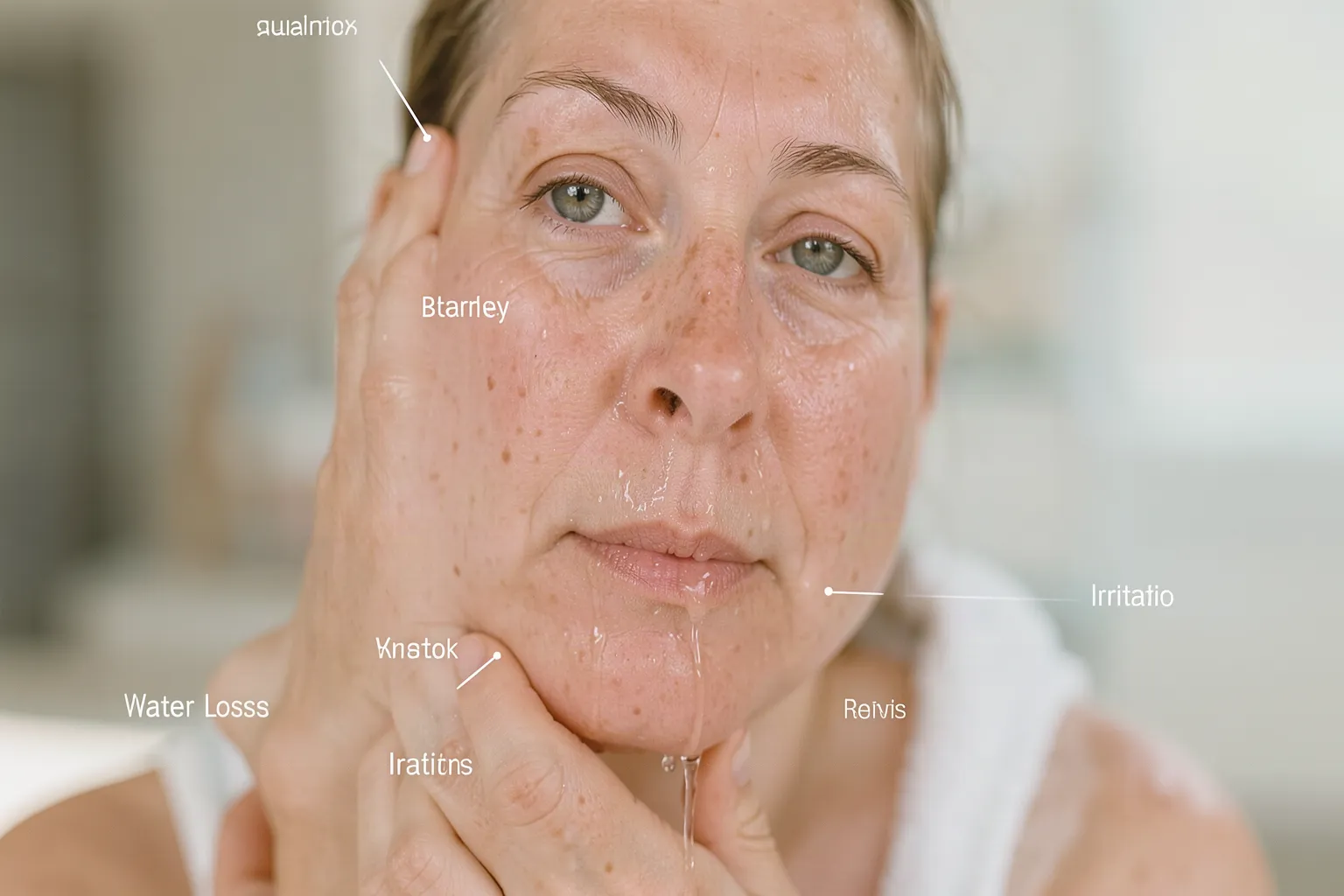
Dry skin usually means the outer layers of the skin do not have enough moisture, or they are losing water more easily than usual. That outer layer is often called the skin barrier. When it is stressed, skin may feel tight, itchy, scaly, rough, or more reactive.
Many everyday things can push the barrier in that direction. Cold or dry air, low humidity, long hot showers, frequent handwashing, harsh cleansers, irritating products, aging, genetics, and some health conditions can all contribute.
That does not mean you can diagnose the exact cause from how your skin feels. It does mean your routine should make the barrier’s job easier, not harder.
What moisturizer actually does
A moisturizer is useful when it matches the problem you are trying to solve. Dry skin often needs help holding on to water, smoothing rough texture, and reducing moisture loss from the surface.
That is why moisturizer labels often include a mix of ingredient types. Humectants help attract water. Emollients help soften and smooth rough skin. Occlusives help reduce water loss by forming a protective layer on the surface.
You do not need to memorize every ingredient category to choose well. But understanding the pattern can make labels less confusing and can keep you from chasing the strongest-sounding claim on the shelf.


What to look for on the label

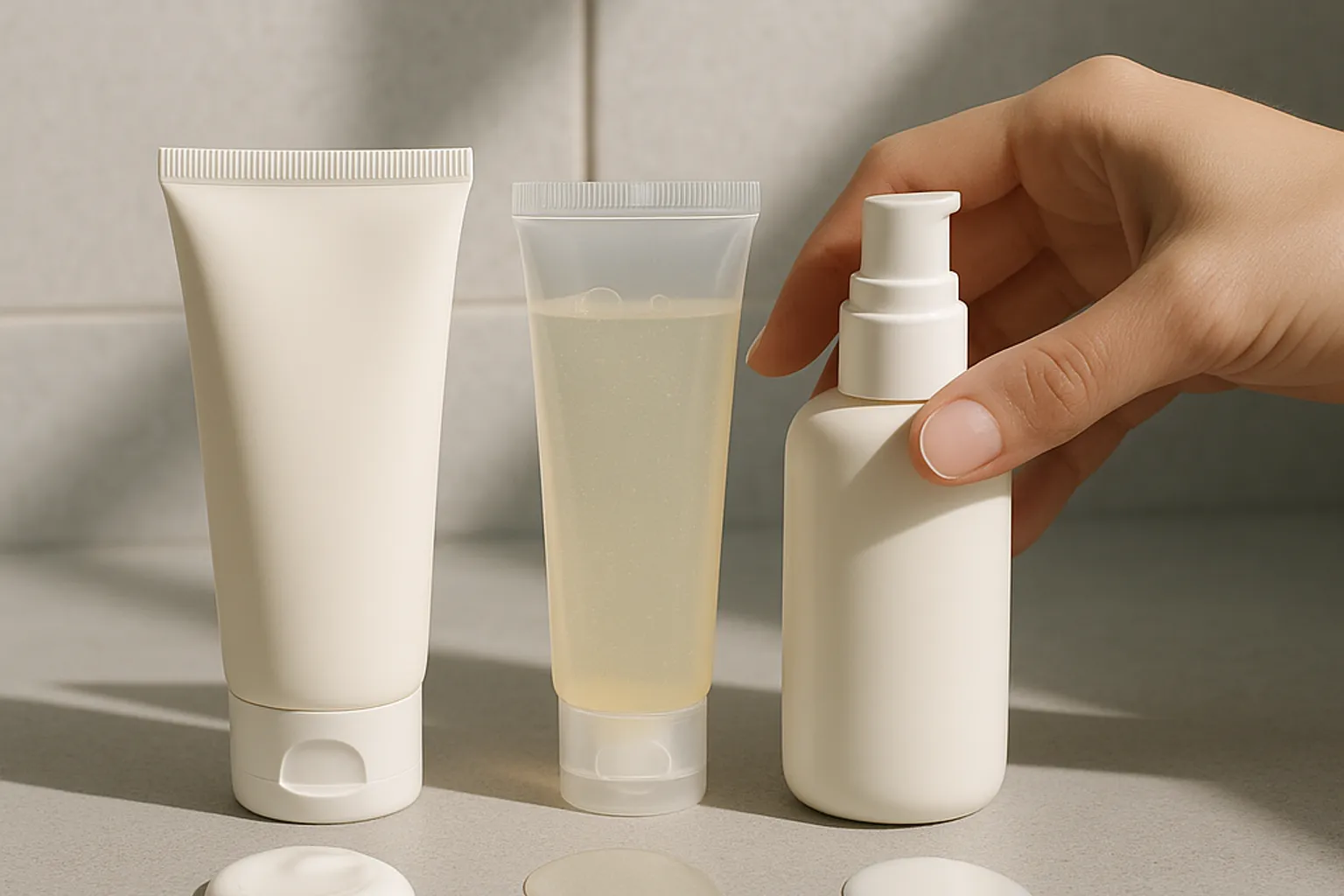
Cream, lotion, or ointment? Match the texture to the area
Texture matters. Lotions are usually lighter. Creams are richer. Ointments are often the heaviest and can feel greasy, but they may be helpful for very dry areas because they reduce moisture loss more strongly.
For very dry skin on the body, hands, heels, or elbows, a cream or ointment is often more useful than a light lotion. These areas tend to tolerate a richer texture, especially after washing or before bed.
For the face, the answer may be different. If your skin is less dry, oil-prone, or acne-prone, a lighter fragrance-free lotion or cream may feel more comfortable. There is no single best moisturizer for everyone, and different areas of your body may need different textures.

How and when to apply moisturizer
Application timing can matter as much as the product. Short, warm showers or baths are usually gentler for dry skin than long, hot ones. A gentle cleanser is also less likely to leave skin feeling stripped.
After bathing or washing, pat your skin instead of rubbing it hard with a towel. Leave it slightly damp. Then apply moisturizer promptly, while there is still some water on the surface for the product to help hold in.
For hands, reapply after washing when you can. For very dry areas, applying moisturizer before bed may help because the product has more time to sit on the skin without being washed or rubbed away.
A simple short trial can help you learn what your skin tolerates: choose a fragrance-free moisturizer that fits the dry area, apply it to slightly damp skin after washing, and reapply after handwashing or when your skin feels dry. Fewer changes make it easier to tell whether your skin is settling down.
What not to overbuy or overdo
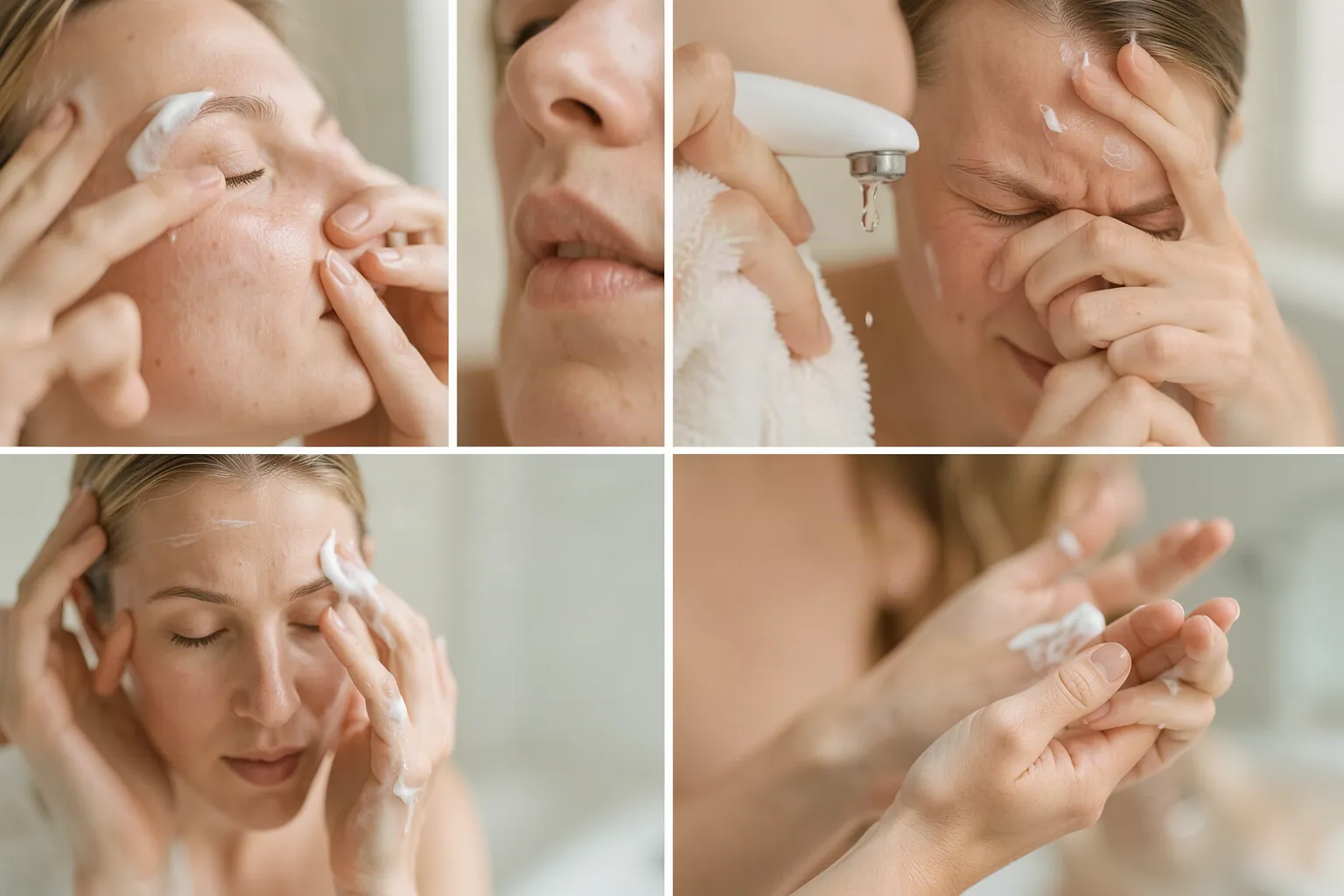
Price, luxury packaging, and dramatic label language matter less than fit, texture, and consistency. A plain fragrance-free moisturizer used well is often a better first move than rotating through several products at once.
It can be frustrating when a moisturizer seems to help for only a few hours. That does not always mean you need a more dramatic product; it may mean you need steadier reapplication after washing, a richer texture for that area, or fewer irritating changes at the same time.
If a product burns or stings, do not assume that means it is working. It may be irritating a barrier that is already stressed. This is especially important if the skin is cracked, very itchy, inflamed, or raw.
Be careful about adding acids, scrubs, anti-itch products, or multiple active formulas to irritated dry skin without professional guidance. More products can make it harder to know what is helping and what is causing trouble.
Small environmental changes may also help some people. A humidifier, gloves for wet work or cold weather, and soft clothing can reduce some of the dryness or friction that keeps skin uncomfortable.
When dry skin is worth seeing a professional about
Dry skin is common, and many mild cases improve with a gentler routine. But some patterns deserve a closer look. It is reasonable to seek guidance if dryness does not improve after a consistent gentle routine, keeps returning, or rapidly worsens.
You should also ask a dermatologist or qualified clinician about dryness that becomes painful, cracks or bleeds, oozes, looks infected, comes with a rash or swelling, is widespread or unexplained, or causes itching that disrupts sleep or daily life.
General moisturizer advice is not a substitute for care when a medical condition may be involved. If you have diagnosed or suspected eczema, psoriasis, dermatitis, diabetes-related skin issues, kidney disease-related dryness, medication-related dryness, or another health context, it is better to get advice specific to you.

The simple takeaway
Dry skin care does not need to start with a crowded shelf. Start with the barrier: use short warm washing, keep cleansing gentle, choose a fragrance-free moisturizer with a texture that fits the area, and apply it while skin is still slightly damp.
If the dryness is mild and everyday, that routine may be enough to make your skin feel more comfortable over time. If symptoms persist, keep returning, or come with concerning changes, bring your routine history and symptoms to a dermatologist or qualified clinician so you are not left guessing.