How to Test a New Skincare Product Before Using It on Your Face
A calm guide to testing new skincare products on a small area, recognizing reactions, and knowing when dermatologist patch testing matters.
4 min read By Dr. Lurié Skincare Editorial skincare #sensitive-skin #skincare-basics #guides

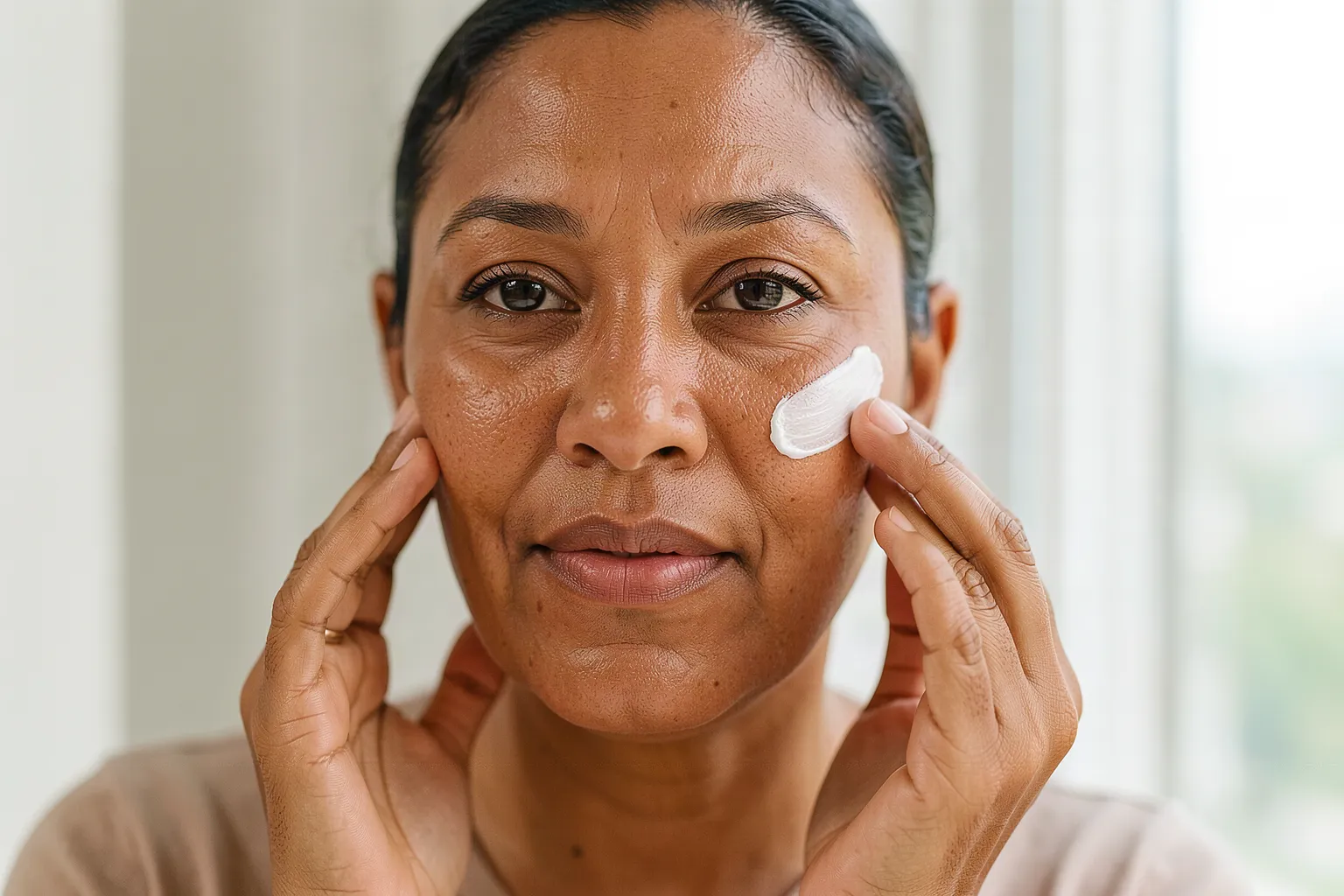
A new face cream looks simple enough. But if your skin has reacted to products before, trying it everywhere on day one may feel like a gamble. There is a quieter option: use a small area first, keep the rest of your routine steady, and pay attention to what happens.
What a home skin test can—and cannot—tell you
The American Academy of Dermatology recommends testing a new skincare product on a small area before using it more widely. This can sometimes reveal irritation or a delayed reaction before a larger area is exposed. A calm test does not prove that a product is safe for every part of your skin, and it does not identify which ingredient would be responsible for a reaction.
1. Choose an ordinary, quiet patch of skin
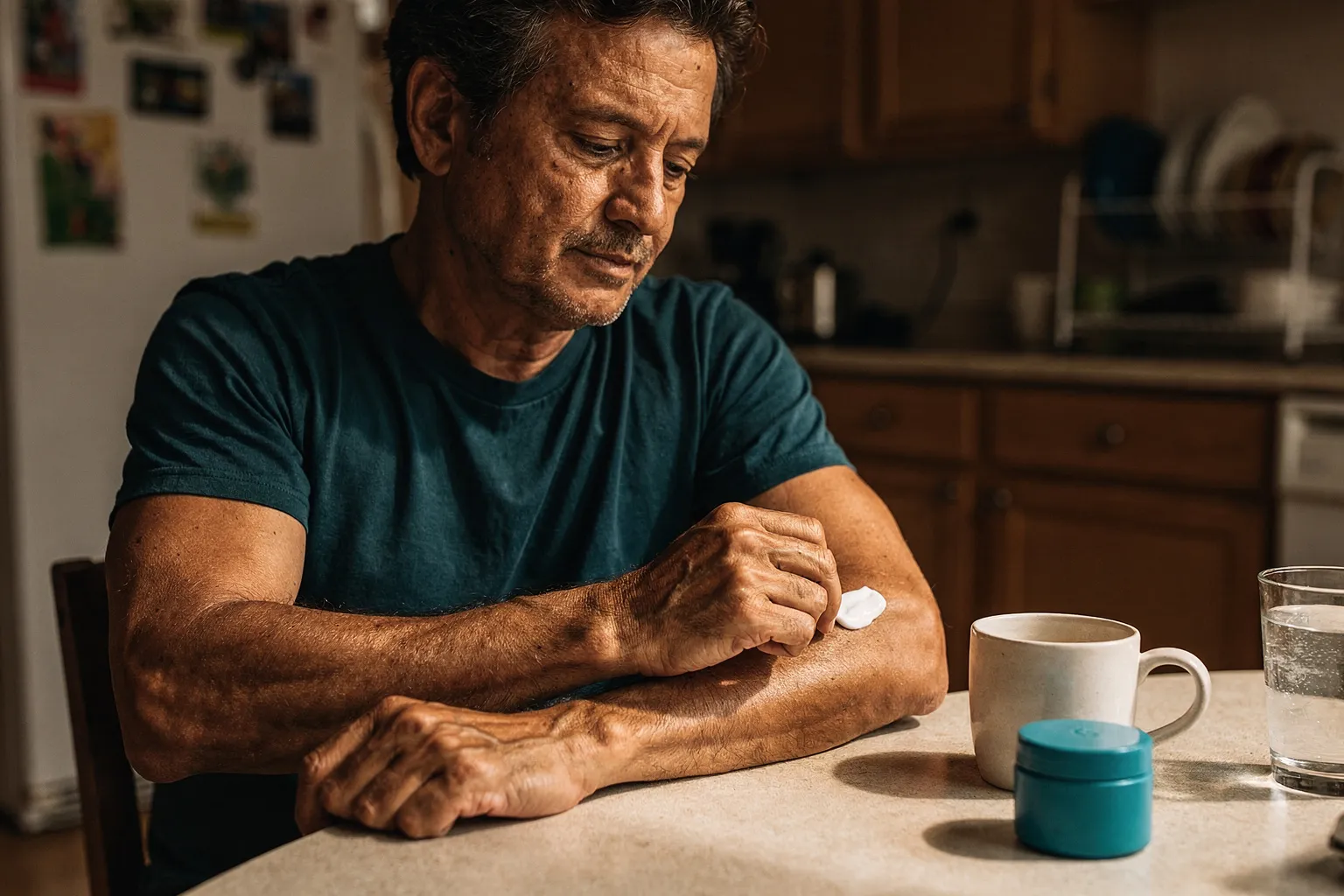
For a leave-on cream or lotion, the AAD suggests a quarter-sized spot on the underside of your arm or in the bend of your elbow. Choose intact skin, not an area that is already inflamed or broken. Follow the product’s own warnings, especially for products that are not meant for use on those areas.
2. Use the product the way it is meant to be used
Apply a normal amount to that small area twice a day for seven to ten days, following the AAD's general guidance. A rinse-off cleanser should be rinsed off according to its directions; it should not sit on the skin all day. Avoid layering several new products on the test site, or you will have a harder time knowing what caused a reaction.
3. Look for changes, not perfection
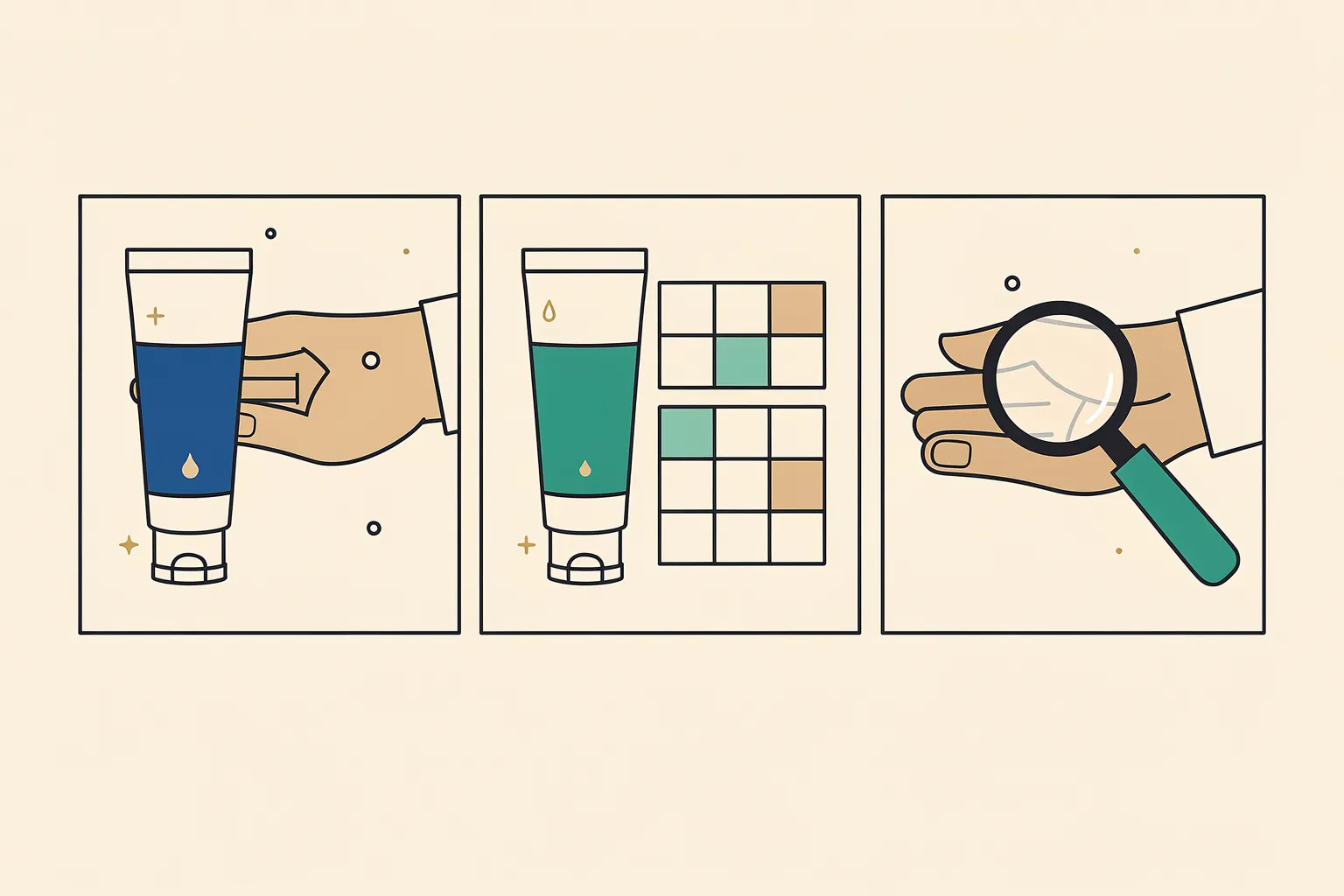
Notice persistent itching, swelling, a new rash, cracking, or uncomfortable burning. Irritant reactions can appear quickly or after repeated exposure; allergic contact dermatitis can be delayed. The timing and appearance alone are not a reliable way to diagnose which process is happening.
4. If the skin reacts, stop the trial
Gently wash the product off and do not keep applying it to 'push through.' The AAD suggests a cool compress or plain petroleum jelly for a mild local reaction. If symptoms are severe, persistent, spreading, or worrying, seek medical advice; swelling affecting breathing or swallowing requires emergency care.
5. If the area stays calm, proceed thoughtfully
No obvious reaction after seven to ten days is a useful observation, not a certificate of safety. Facial skin, eyelids, and the neck can respond differently from an arm, and the dose or frequency can matter. Add the product to your usual routine gradually rather than changing several things at once.
A home trial is not a dermatologist’s patch test
An at-home product trial is sometimes called an open application test. It observes what happens when you repeatedly use one product on a small area. Clinical patch testing is a different process: a clinician applies standardized allergens and checks for delayed responses, helping investigate suspected allergic contact dermatitis.

Three conclusions worth avoiding
'No reaction on my arm' does not mean 'my eyelids cannot react.' 'It tingles, so it must be working' is not a dependable way to judge benefit. And a reaction to a finished product does not, by itself, tell you which ingredient caused it. DermNet describes several reasons an open application test may miss a reaction.
When to skip self-testing and ask for guidance
If you have a known contact allergy, a prior severe reaction, active dermatitis where you planned to test, or a prescription treatment with specific instructions, speak with your clinician rather than running your own experiment. Hair dyes and other products with dedicated warning or testing instructions need their own precautions. Home testing is not a substitute for evaluating a significant reaction.
The useful part is the pause
Testing a single product in a small area gives you one more piece of information before adding it to the routine. Keep the product name, application dates, and any changes in a short note. The goal is not to predict every possible reaction. It is to make the next skincare decision a little less uncertain.
Sources
American Academy of Dermatology: How to test skin care products. Source
DermNet: Open application test. Source
U.S. Food and Drug Administration: Allergens in Cosmetics. Source
NHS: Contact dermatitis. Source