Hot Showers and Dry Skin: What the Water Is Actually Doing
How hot water affects the skin barrier, why there is no universal safe shower temperature, and the simple after-shower routine that helps dry or reactive skin.
5 min read By Dr. Lurie skin-health #skin-barrier #dry-skin #sensitive-skin #skincare-basics
What you are noticing
The shower feels good. Your skin does not object until you turn off the water.
Then your cheeks feel tight. Your shins itch. A moisturizer that was fine yesterday suddenly stings. It is easy to read that as proof that your skin needs a more complicated routine, but the first thing to examine is often the shower itself.
Hot water is not inherently dirty or dangerous. It is simply a stronger stress on an already dry or reactive barrier than warm water is.
What is happening underneath
The outermost layer of skin works less like a plastic sheet and more like a carefully arranged wall: flattened cells surrounded by lipids. That structure slows the movement of water out of your body and helps keep irritants from moving in.
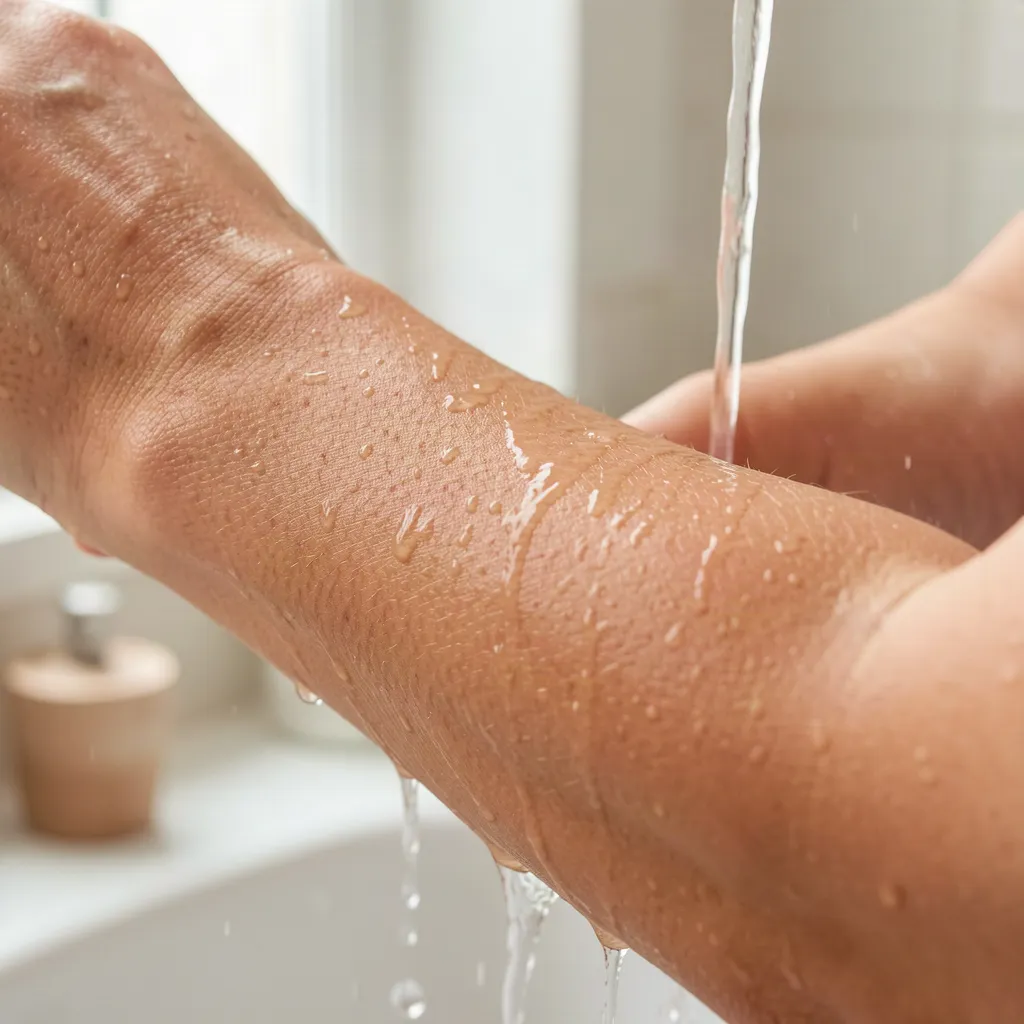
Water exposure temporarily changes that structure. Heat adds another variable. In a controlled study of healthy adults, both cold- and hot-water exposure increased transepidermal water loss, a laboratory measure of how quickly water is escaping through skin. The increase was larger after hot water. Hot exposure also increased redness.
That does not mean one hot shower permanently damages healthy skin. It means the barrier can be temporarily more permeable after water exposure, and heat appears to intensify that effect. If your skin is already dry, inflamed or frequently washed, you may feel the difference more clearly.
What the evidence can and cannot tell you
The temperature study is useful, but it was small and experimental. Forearms were exposed under controlled conditions. That is not the same as following thousands of people through their daily showers.
Supported: hotter water can cause a larger short-term rise in water loss and redness than cooler water under controlled conditions.
Reasonable: people with dry, sensitive or eczema-prone skin may benefit from reducing both heat and time in the shower.
Not established: one exact temperature that is safe for every person, every climate and every skin condition.
This is why “lukewarm” is more useful than a rigid number. Aim for water that feels comfortably warm, not water that leaves the room steamy and your skin flushed.
Your skin is a better signal than the dial
Bathroom controls are imprecise, and the same setting can feel different from one season to the next. Watch what happens after you step out.
If skin looks red, feels tight within minutes, or starts itching before you have dried off, reduce the heat first. If that is not enough, shorten the shower. Change one variable at a time so you can tell what helped.
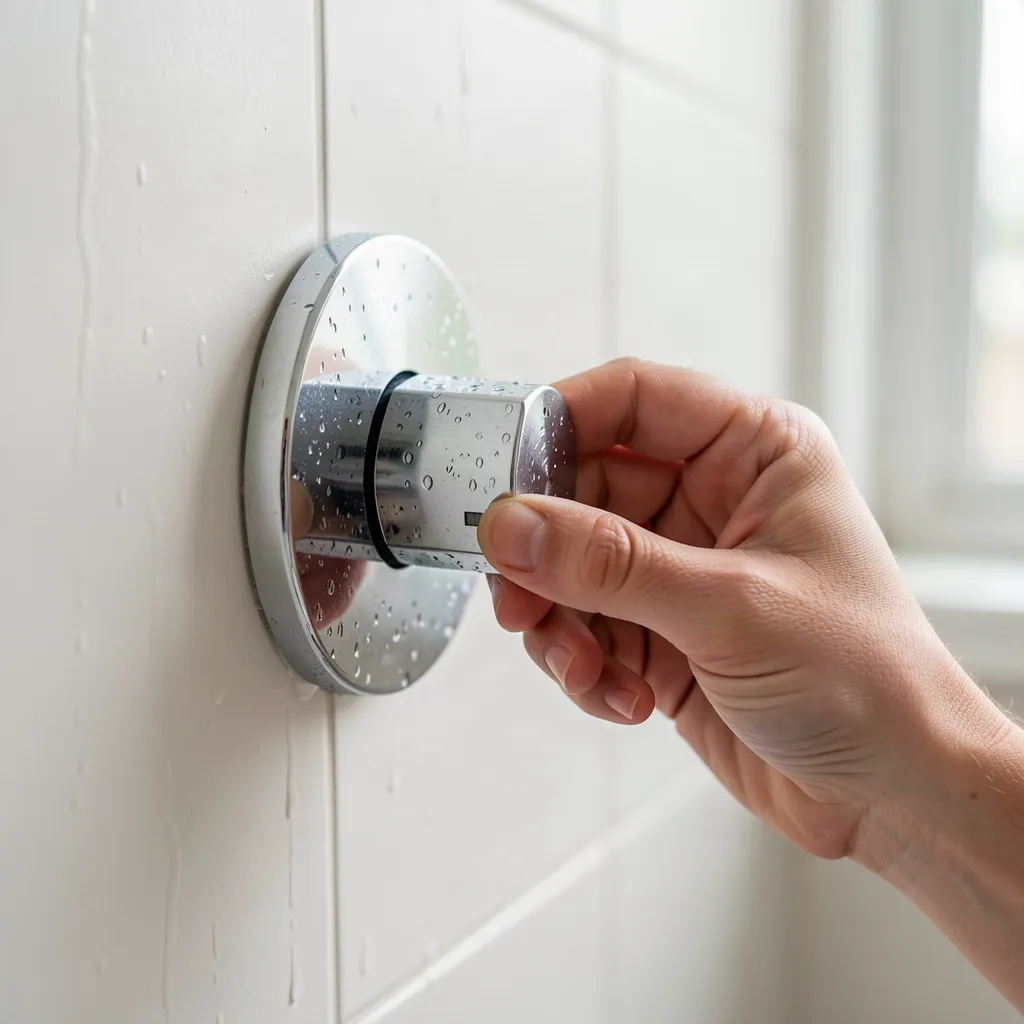
A shower routine that is kinder to dry skin
You do not need to turn bathing into a medical procedure. Four adjustments cover most of the useful ground:
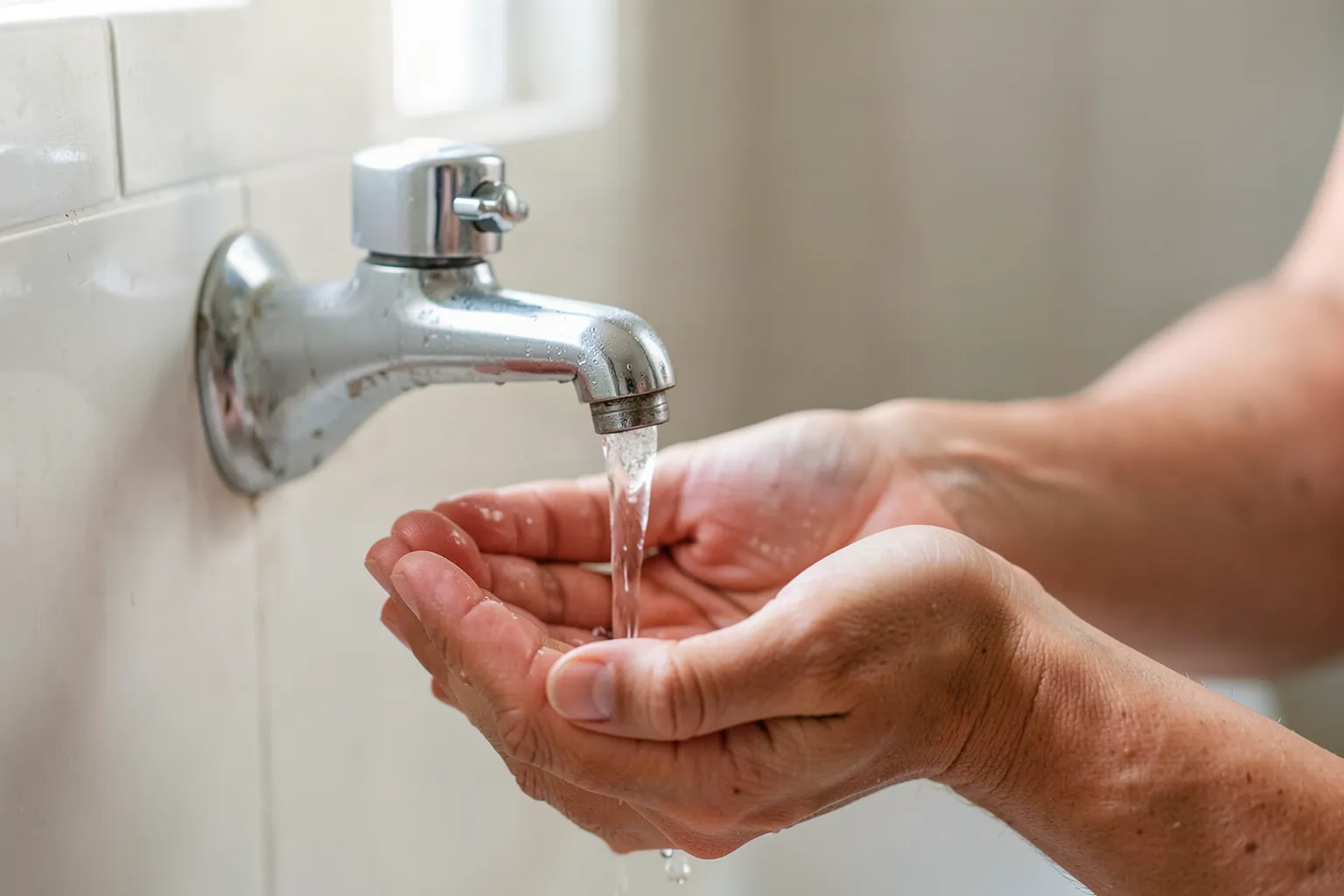
Use warm water rather than hot. Comfort is the target. You should not need to brace yourself against the heat, and your skin should not emerge flushed.
Keep it brief. The American Academy of Dermatology suggests five to ten minutes for dry skin. Treat that as a practical range, not a stopwatch test.
Clean where cleanser is useful. Armpits, groin, feet and visibly soiled areas usually need it. Dry limbs often do not need a heavy layer of foaming wash every day.
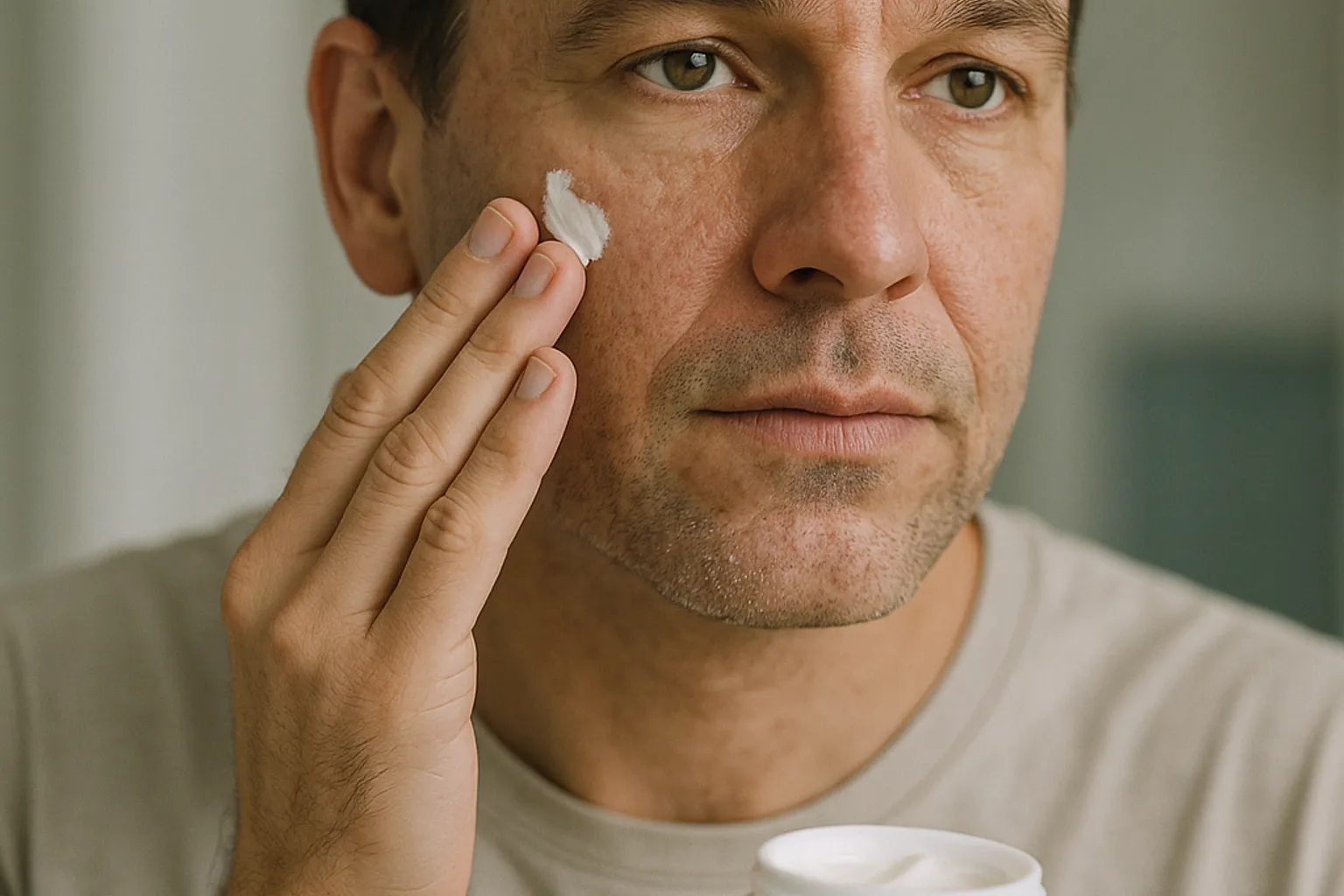
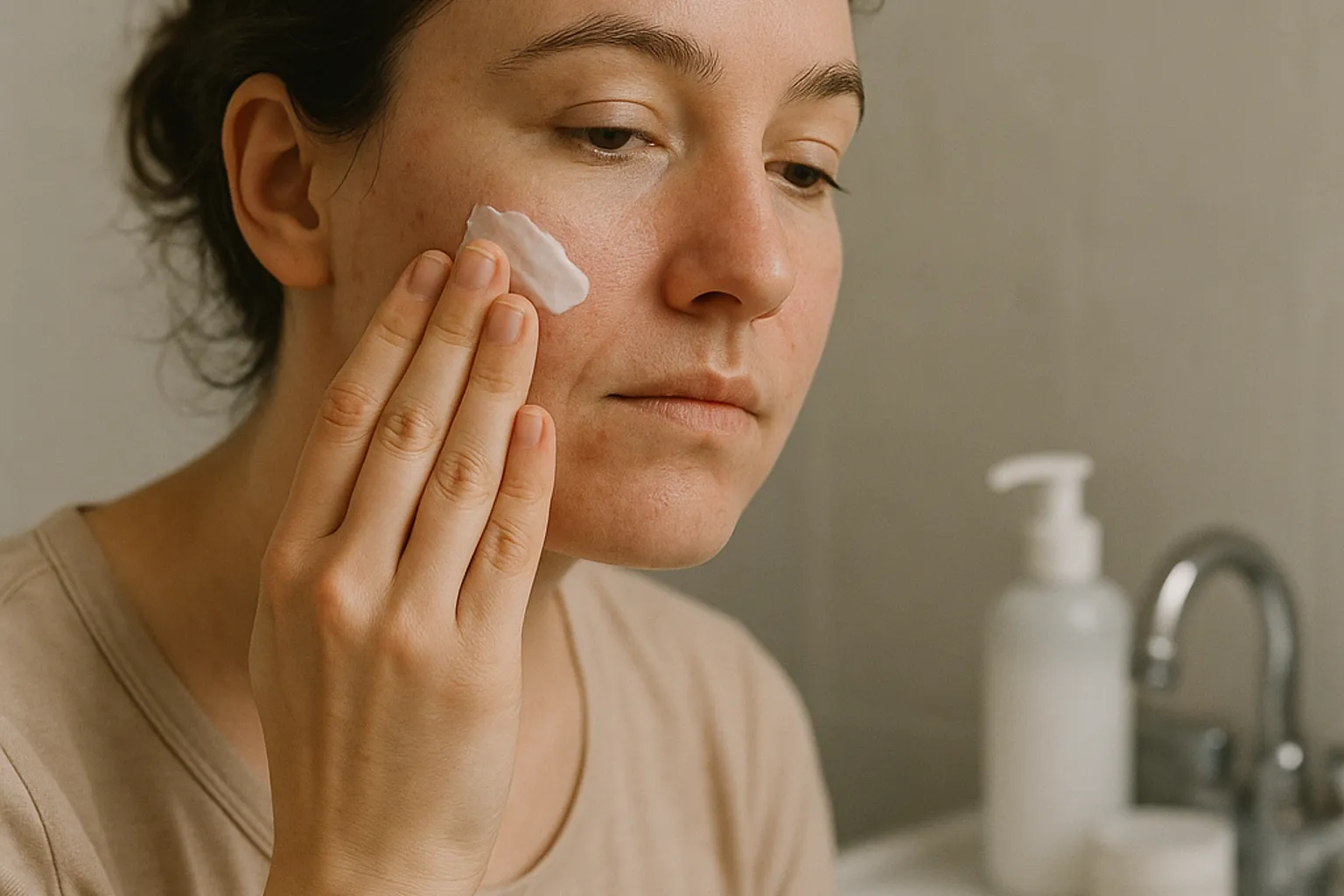
Pat, then moisturize. Leave the skin slightly damp and apply a fragrance-free cream or ointment promptly. The point is to slow evaporation, not to trap visible beads of water.
If a moisturizer stings on cracked or inflamed skin, stop forcing it. A simpler ointment may be easier to tolerate, but persistent burning deserves clinical advice.
What is probably not worth buying first
A new shower filter, a shelf of barrier serums and a special post-shower mist can all feel like action. None addresses heat or duration as directly as turning the dial and getting out sooner.
Start with the free changes for a week or two. If the problem settles, you have learned something useful. If it does not, that is also useful: the shower may be aggravating the problem without being its cause.
Dryness that keeps returning can come from eczema, contact dermatitis, psoriasis, medication, climate or other health factors. A product cannot sort those possibilities for you.
When to see someone
Arrange an appointment with your dermatologist or primary-care clinician if the skin is cracking, bleeding, weeping, painful or keeping you awake; if the rash is spreading; or if a gentler shower and consistent moisturizer have not helped.
Seek prompt medical care for rapidly worsening redness, warmth, swelling, pus, fever or significant pain. Those signs need an examination, not another routine adjustment.
If the dryness keeps returning
A dermatologist can distinguish a routine problem from eczema, contact allergy or another condition and help you choose a treatment that fits the cause.
Download this article
A printable version of this guide, including the practical shower routine and sources.
Sources
Impact of Water Exposure and Temperature Changes on Skin Barrier Function. Journal of Clinical Medicine, 2022. Read the study
Dermatologists' top tips for relieving dry skin. American Academy of Dermatology, updated 2026. Read the guidance
Emollients and moisturisers. DermNet. Read the clinical overview