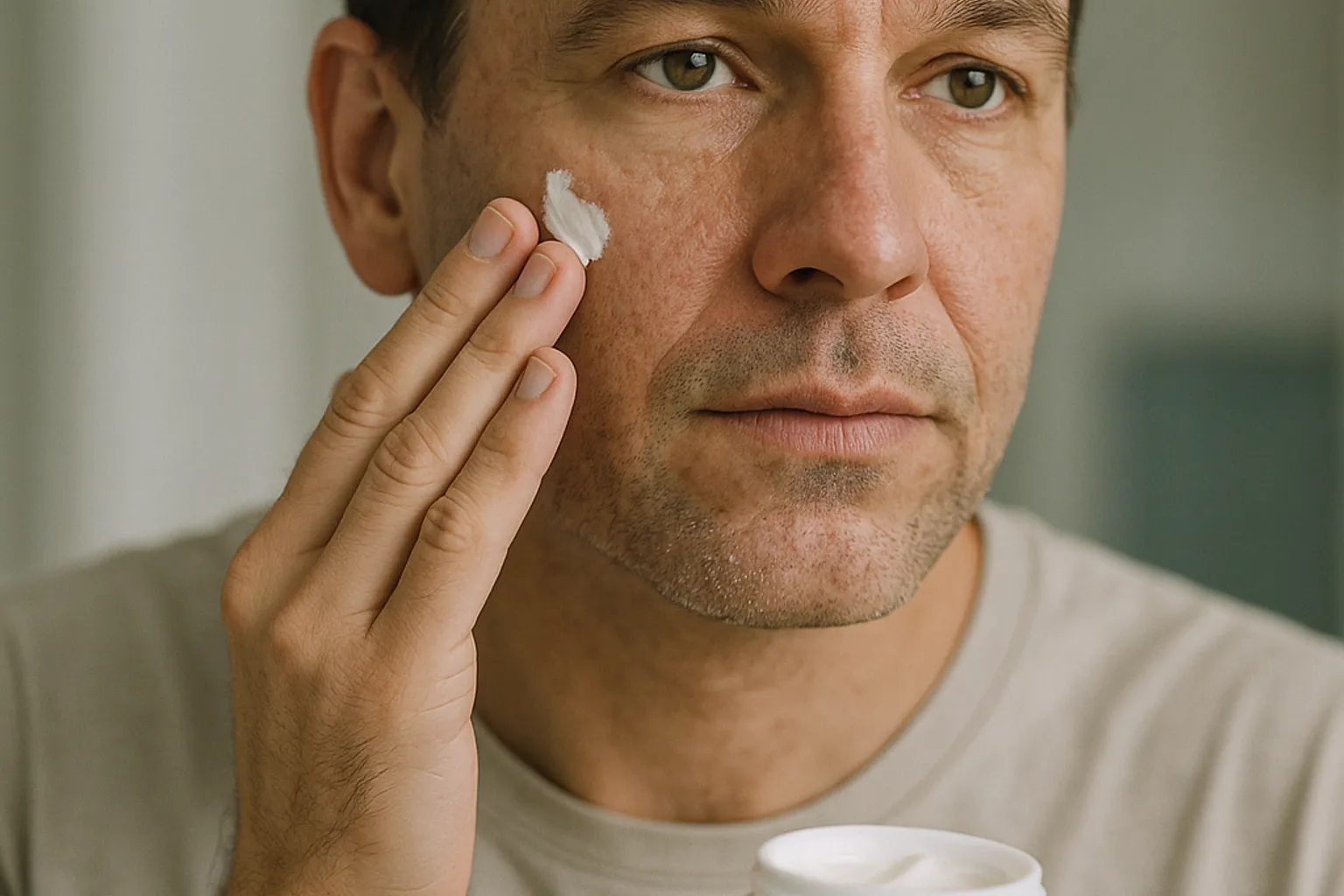
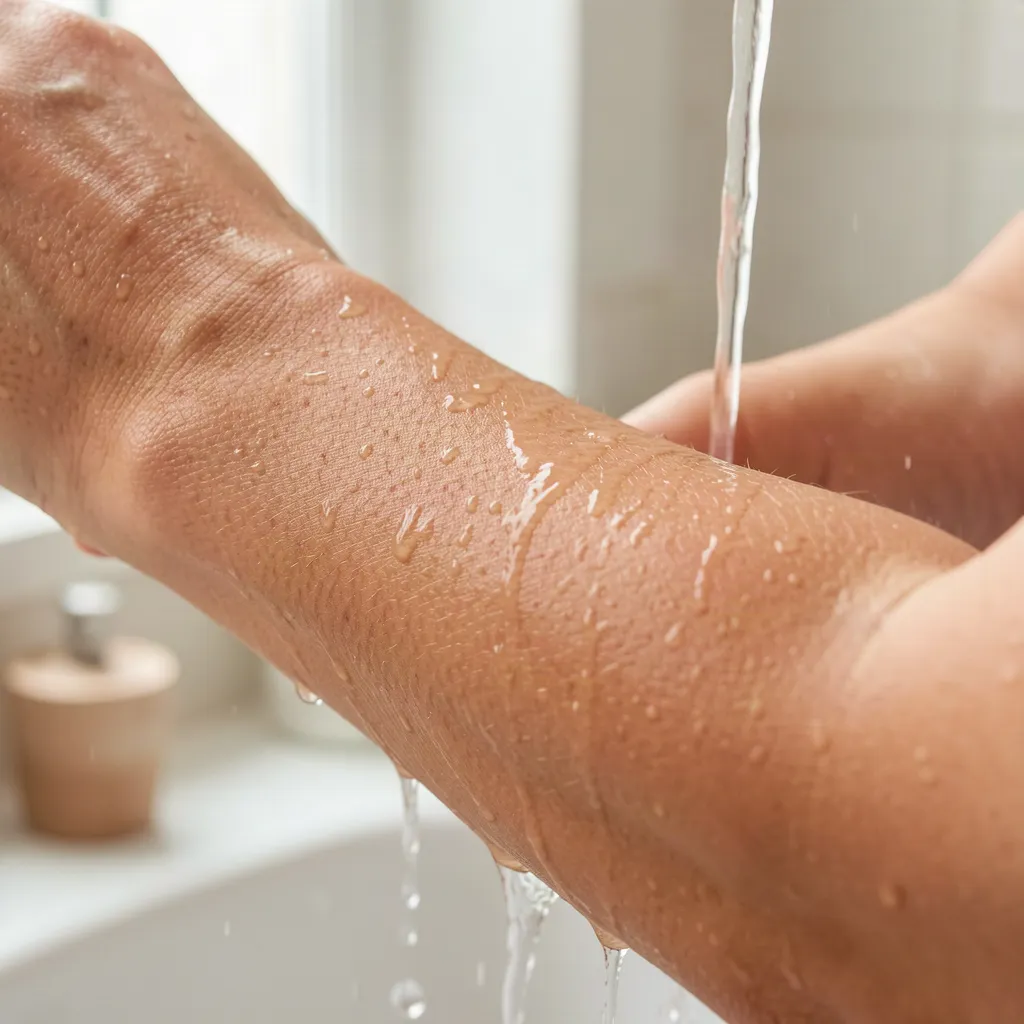
Why skin turns reactive — and what actually helps
What "reactive skin" means, why it happens, and the small changes that calm it down.
1 min read skin-health #sensitive-skin #skin-barrier
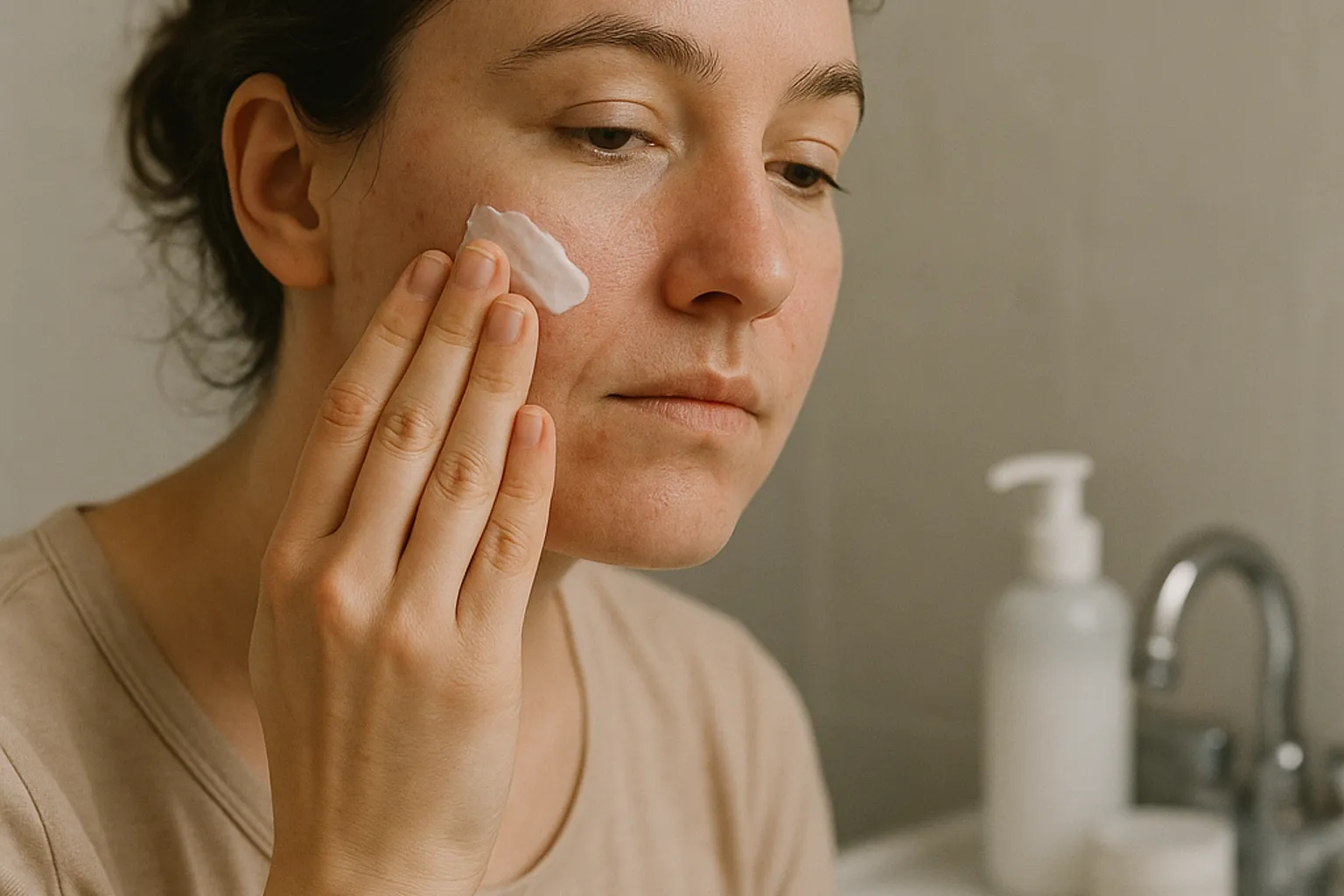
Skin that suddenly reacts to products it used to tolerate is rarely allergic. More often it is overwhelmed — and the fix is subtraction, not another product.
What "reactive" really means
When the barrier thins, nerve endings sit closer to the surface and ordinary ingredients register as irritation. The skin has not changed its mind about a product; it has lost the buffer that made the product comfortable.
A calmer week
- Cleanse once a day, at night, with a non-foaming cleanser.
- Moisturize on damp skin, morning and night.
- Pause every active for one week — no acids, no retinoid, no scrub.
Routine complexity can be part of the problem

If skin settles within a week, you have your answer: it was doing too much. Reintroduce one active at a time, and only after the calm holds.