Skin-barrier damage, explained without the scare language
An evidence-led guide to skin-barrier disruption, common signs, and practical ways to support recovery without alarmist claims.
5 min read
When “damaged” sounds worse than it usually is
The phrase “damaged skin barrier” can sound permanent. In everyday skincare conversations, it usually describes a change in how well the outermost skin layer is holding water in and limiting exposure to irritants—not a diagnosis and not necessarily lasting damage.
The barrier sits mainly in the stratum corneum. Research describes this layer as central to limiting water loss. When barrier function is disrupted, skin may feel dry, tight, rough, itchy or sting more easily, but those sensations can have several causes and vary from person to person.
A new, persistent, painful, blistering, oozing or spreading rash deserves assessment by your dermatologist rather than being assumed to be a skincare barrier problem.
What the barrier is actually doing
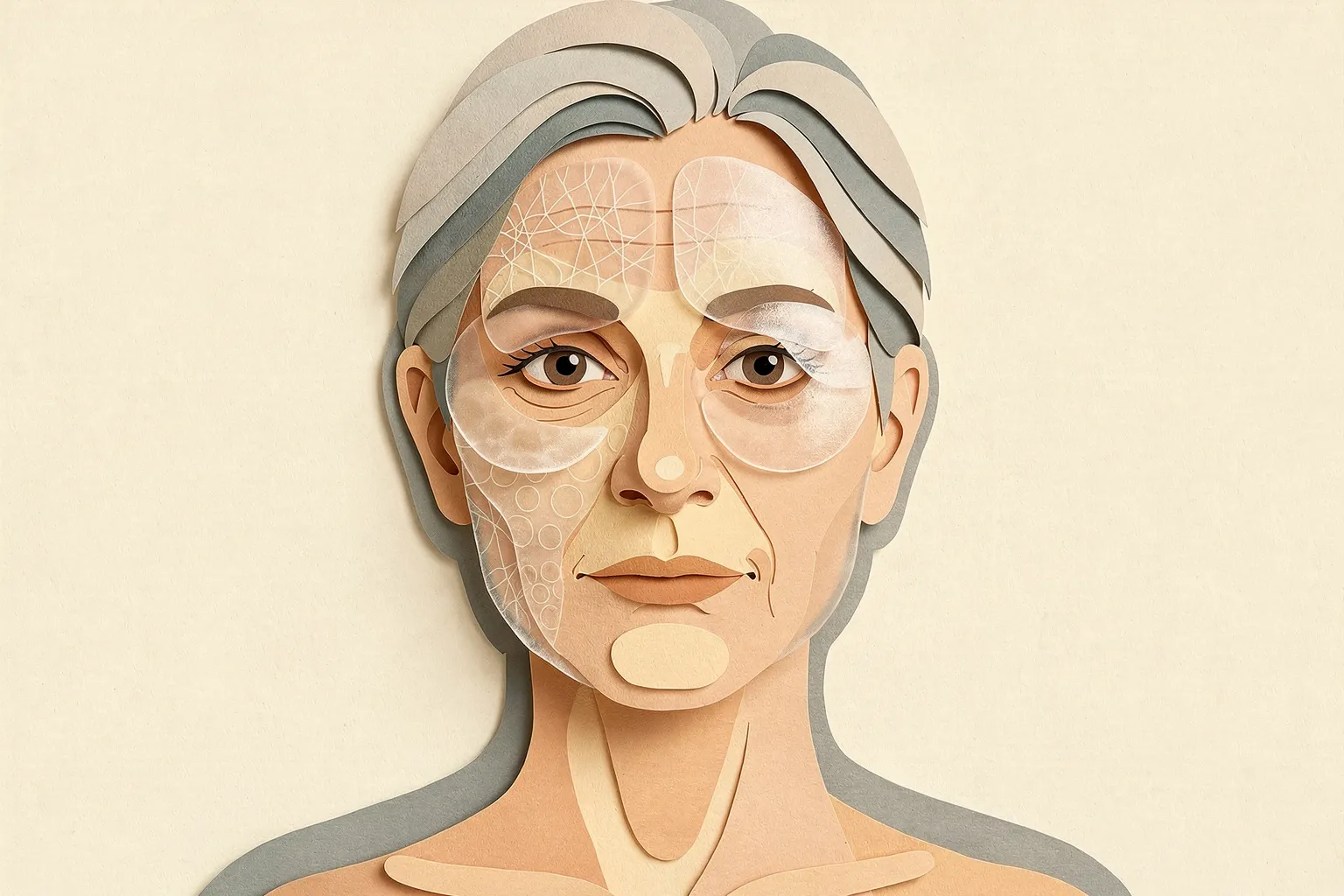
A useful mental model is a wall: corneocytes provide much of the structure, while lipids—including ceramides, cholesterol and free fatty acids—occupy the spaces between them. A 2024 review describes ceramides as the largest lipid fraction by weight in this extracellular matrix.
One common research measure is transepidermal water loss (TEWL): the amount of water moving outward through skin. Higher TEWL can accompany impaired barrier function, although TEWL is a physiological measurement rather than a home diagnostic test.
The illustration below is a simplified educational rendering, not a microscopic image.
Dryness can be subtle
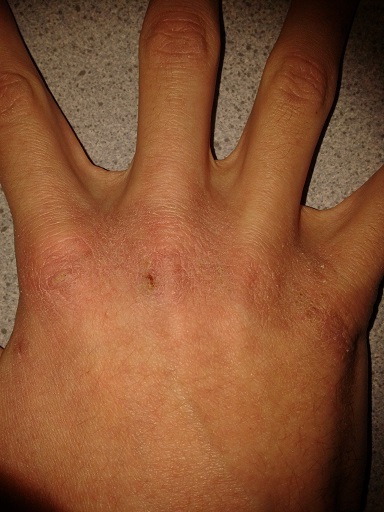
This public-domain photograph shows a hand with visible dryness. It is an example of appearance only: dryness can have many causes, and a photograph cannot establish whether the skin barrier is impaired.
What can temporarily disrupt it
Barrier disruption can follow ordinary exposures. The American Academy of Dermatology notes that harsh soaps or cleaning products, long hot showers, dry environments and some skincare ingredients can contribute to dryness or irritation. Acne ingredients such as benzoyl peroxide, salicylic acid and topical retinoids can also make skin feel dry or irritated in some people.
That does not mean every tingle, breakout or patch of redness proves the barrier is impaired. Similar symptoms can occur with irritant or allergic contact dermatitis, eczema and other skin conditions. A photograph cannot reliably tell these apart on its own.
What you might notice
Common clues include dryness, flaking or a rougher texture; tightness or itching; increased sensitivity; stinging with products that previously felt comfortable; and visible redness or small cracks when dryness is more pronounced.
These are clues, not a checklist that establishes a diagnosis. Skin tone, baseline sensitivity, environment, medications and underlying skin conditions all affect how disruption looks and feels.
Texture is easier to see up close
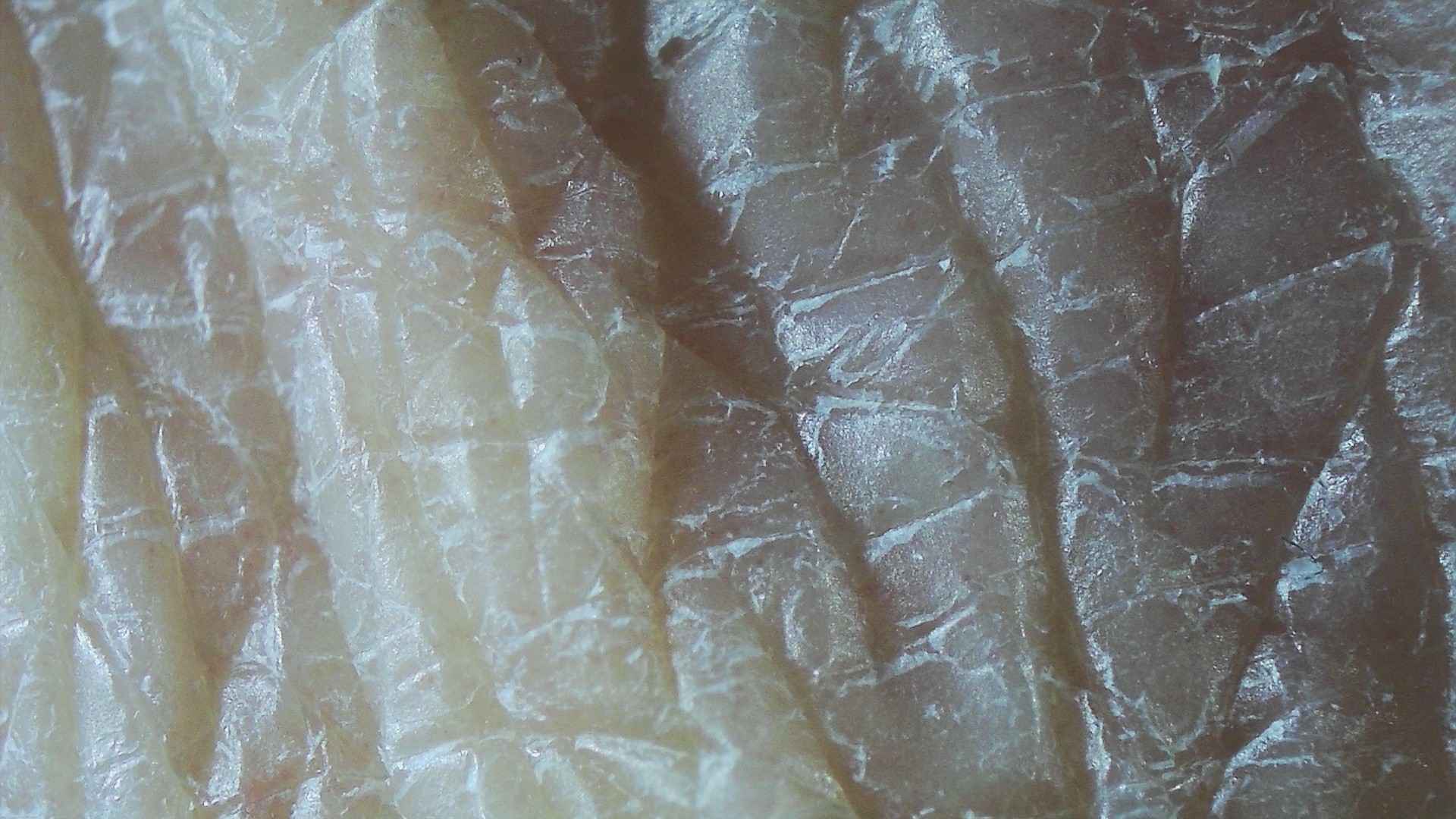
A close view can make fine roughness and surface texture more visible. These features are common in dry skin, but their appearance does not identify the underlying cause.
A lower-friction routine while skin feels reactive
1. Simplify temporarily. Consider pausing optional exfoliating acids, scrubs and other products that sting or seem to worsen irritation.
2. Cleanse gently. Use lukewarm rather than hot water and a gentle, fragrance-free cleanser where needed.
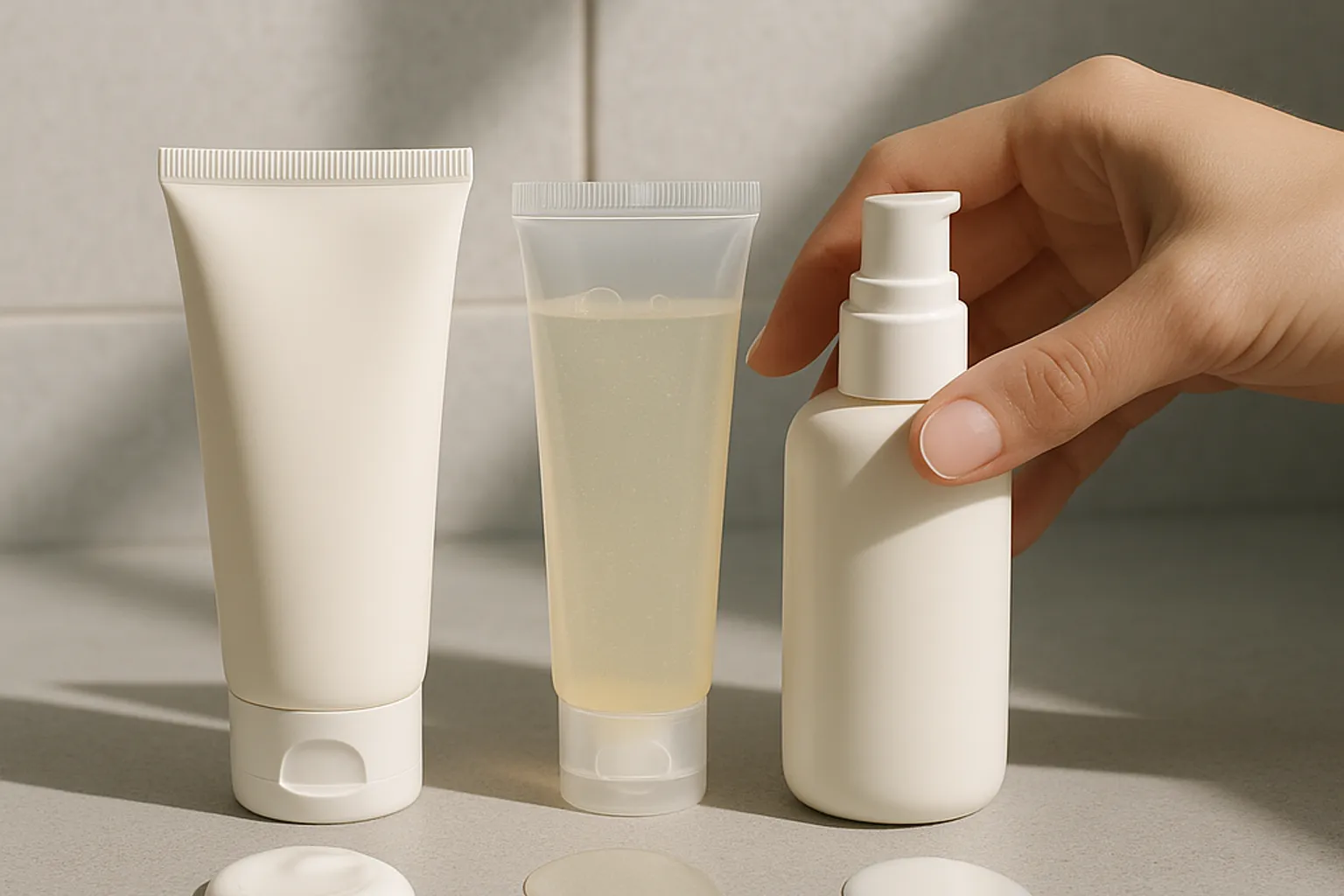
3. Moisturize consistently. Creams and ointments generally reduce water loss more effectively than thinner lotions for dry skin; applying moisturizer to slightly damp skin can help hold water in.
4. Protect exposed skin from the sun with shade, clothing and a broad-spectrum SPF 30+ sunscreen that your skin tolerates.
Evidence supports moisturization as a practical part of managing dry or barrier-impaired skin, but no single ingredient is required for everyone. Randomized studies have reported improvements in hydration and TEWL with ceramide-containing moisturizers; some trials are small or industry-linked, and other controlled research suggests regular moisturizer use itself may matter more than a particular formulation.
If you use a prescription topical, are pregnant, are caring for a child, or have significant dermatitis, ask your dermatologist or other qualified clinician before changing active treatment. Individual responses to ingredients and routines vary.
What clinical photos can—and cannot—show
Clinical photographs can make scaling, redness and fissuring easier to recognize, but those appearances are shared by multiple skin conditions. They are useful as examples, not as a way to diagnose the cause of your own symptoms from a screen.
Keep the guide
Save the illustrated PDF version for a calm reference when your routine needs simplifying.
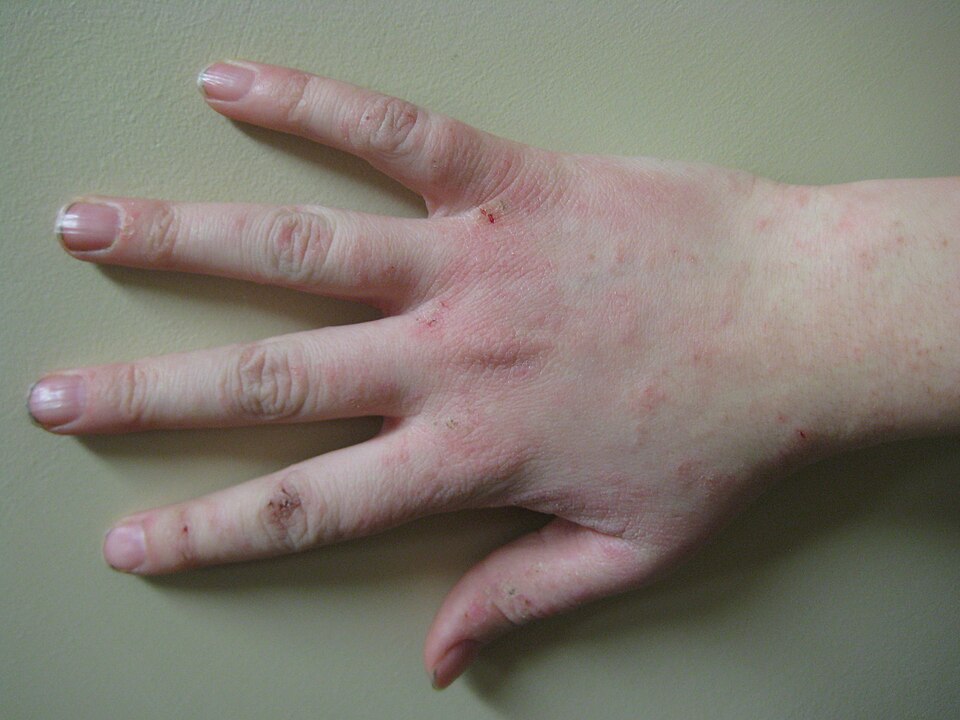
More visible inflammation is less specific
This photograph is labeled as hand dermatitis by its source. Redness and scaling can overlap with several skin conditions, so it should not be used to diagnose your own skin or to assume that a skincare product caused the change.
Sources
The role of ceramides in the disruption of the cutaneous permeability barrier — Frontiers in Physiology / PubMed Central, 2024 — https://pmc.ncbi.nlm.nih.gov/articles/PMC11348431/
Directional assessment of the skin barrier function in vivo — Skin Research and Technology / PubMed Central, 2023 — https://pmc.ncbi.nlm.nih.gov/articles/PMC10182387/
Dermatologists' top tips for relieving dry skin — American Academy of Dermatology, accessed 2026 — https://www.aad.org/public/everyday-care/skin-care-basics/dry/dermatologists-tips-relieve-dry-skin
A daily regimen of a ceramide-dominant moisturizing cream and cleanser — Dermatologic Therapy / PubMed, 2021 — https://pubmed.ncbi.nlm.nih.gov/33984185/
Moisturizers are effective in the treatment of xerosis irrespectively from their particular formulation — JEADV / PubMed, 2015 — https://pubmed.ncbi.nlm.nih.gov/26563519/