Niacinamide for the aging skin barrier
A plain-language, evidence-based explainer on niacinamide and the aging skin barrier: how it supports barrier function after 40, what studies actually show, and how to use it without irritation.
New paragraph. Click the pencil to edit, or ask the AI to draft it.
After 40, your skin barrier is the foundation the rest of your routine rests on — support it first, and everything else finally starts working.
What changes in the barrier after 40
The skin barrier is the outermost layer — a wall of flattened cells held together by a mortar of lipids (ceramides, cholesterol, and fatty acids). Its job is to keep water in and irritants out. With age, several things shift at once:
Barrier lipids decline, so the mortar between cells thins and water escapes more easily.
Cell turnover slows, so the barrier repairs itself more slowly after any insult.
Skin tends to run drier and more reactive, which is why products you once tolerated may suddenly sting.
The practical upshot: after 40, supporting the barrier matters more than chasing dramatic actives. This is the gap niacinamide is well suited to fill.
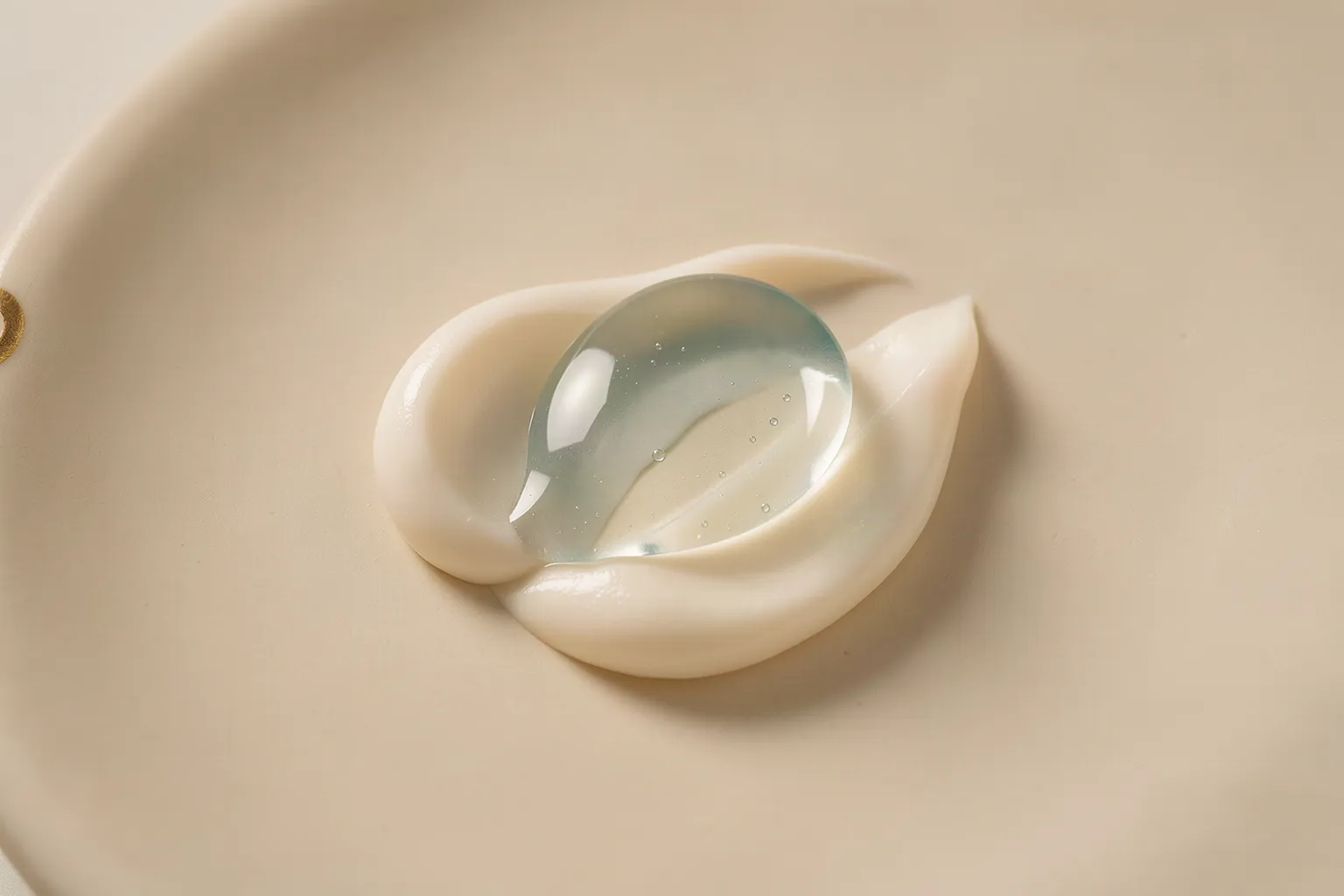
What niacinamide actually does at the barrier
Niacinamide is a form of vitamin B3. Unlike ingredients that work by exfoliating or forcing turnover, it works more like a supply-side helper — it gives skin cells the raw material and signaling to do their own barrier maintenance. Two mechanisms matter most here:
It supports the skin's own production of barrier lipids, particularly ceramides — the mortar that thins with age.
It helps reduce transepidermal water loss, so skin holds onto hydration better and reads as less tight and flaky.
Because it is a gentle, water-soluble vitamin rather than an aggressive active, most people — including reactive and mature skin — tolerate it well. That combination of relevance and tolerability is why it shows up so often in barrier-support formulas.
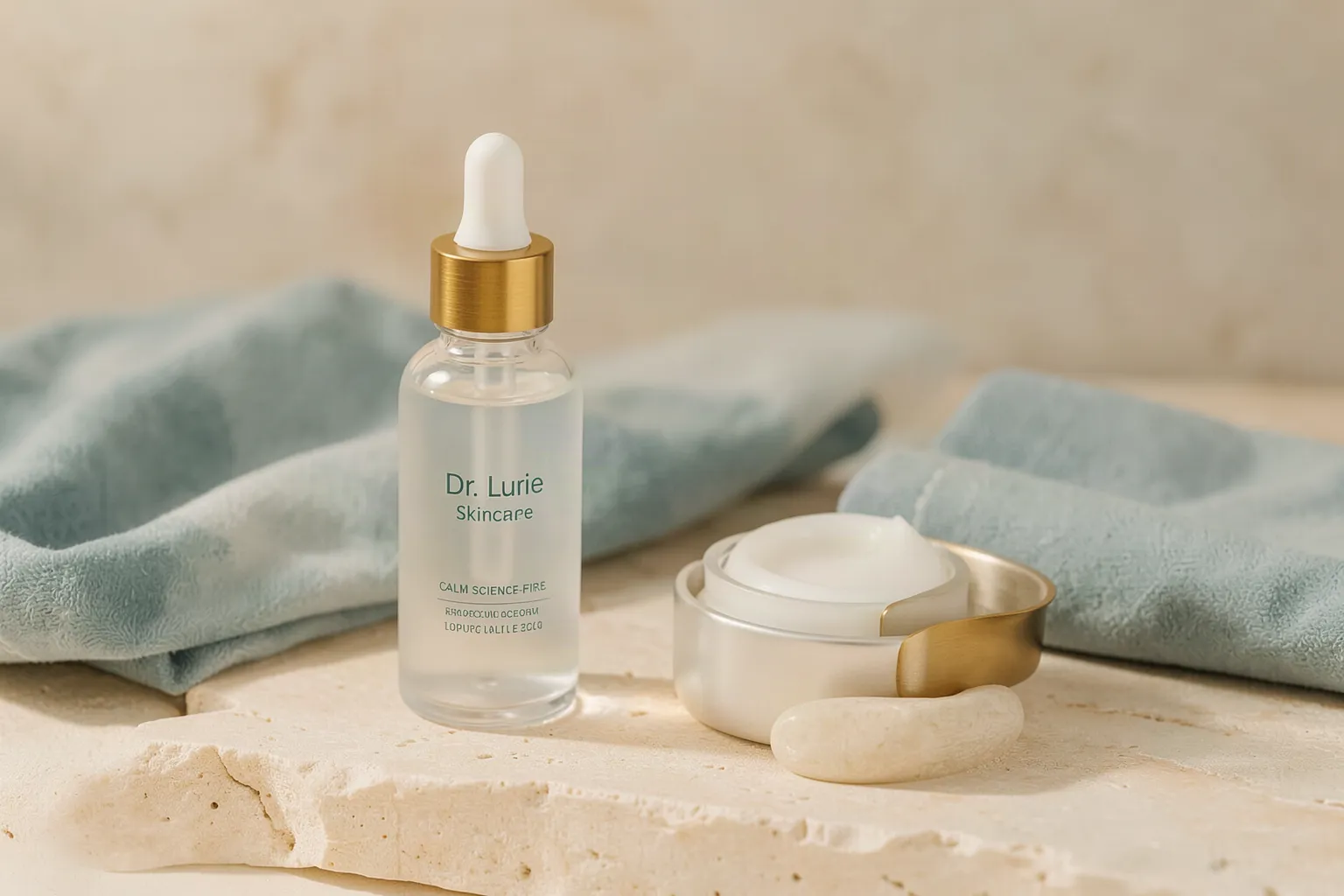
What the research supports
Niacinamide is one of the better-studied cosmetic ingredients, which is part of its appeal. The evidence is strongest for the barrier and hydration claims — the ones that matter most after 40:
Multiple studies report improved barrier function and reduced water loss at concentrations commonly around 2–5%.
There is reasonable support for improvements in the look of uneven tone and fine surface texture with consistent use over weeks, not days.
The honest summary: niacinamide is a dependable barrier supporter, not a dramatic transformer. Expect steadier, calmer, better-hydrated skin — not a peel-like reset.
What it doesn't do
Marketing tends to stretch niacinamide well past the evidence. A few claims worth treating with skepticism:
It is not a wrinkle eraser. It supports the barrier and surface quality; it does not remodel deep lines the way a retinoid can.
More is not better. Very high percentages promise more but mainly raise the odds of flushing or irritation, especially on reactive skin.
It is not a replacement for sunscreen or moisturizer. It works best as a supporting player inside a simple routine, not as a standalone fix.
New heading
Copy for this part of the story.
How to use it without irritation
Start with a moderate concentration — roughly 2–5%. It captures the barrier benefit while keeping the irritation risk low.
Apply to clean skin, then follow with a moisturizer. Niacinamide plays well with a simple barrier-supporting cream.
Introduce one new thing at a time. If you already use a retinoid or acid, add niacinamide on its own first so you can tell what your skin is responding to.
Give it weeks, not days. Barrier improvements are gradual; judge it after four to eight weeks of consistent use.
If you get flushing or stinging, step down the concentration or frequency. Gentle and consistent beats strong and sporadic.
The plain takeaway
After 40, the smart move is supporting the barrier rather than punishing it. Niacinamide is one of the few ingredients that earns its place there: real evidence for barrier and hydration, a low irritation profile, and honest, modest expectations. Use a moderate strength, pair it with a moisturizer, be patient, and let it do the quiet work of keeping skin calm.
Free printable guide
Take this article with you
Download the 5-page Dr. Lurié Skincare guide for a clean, offline version of the article.
Download the 6-page niacinamide guide
A printable, professionally formatted version of this article with the same evidence-first guidance and a Dr. Lurie Skincare premium editorial layout.
Free illustrated guide
Download the illustrated barrier guide
A premium, six-page Dr. Lurié Skincare guide — the same evidence-first guidance, with original photography and a printable layout.