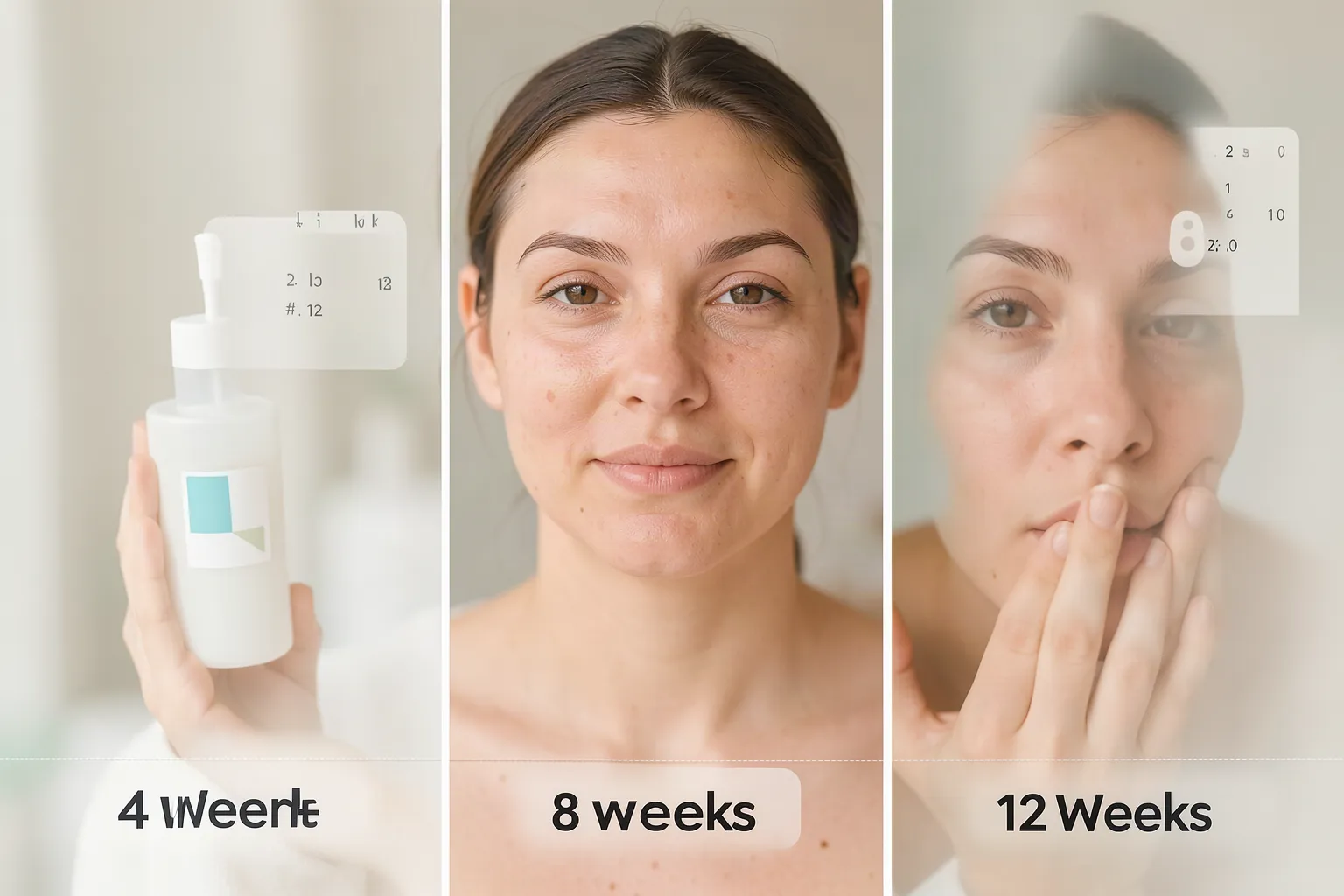
How Long Does Skincare Take to Work? A 4-, 8-, and 12-Week Guide
Not sure if your skincare is working or irritating your skin? Use 4-, 8-, and 12-week checkpoints to decide when to continue, simplify, pause, or ask your dermatologist.
THE READING ROOM
Not sure if your skincare is working or irritating your skin? Use 4-, 8-, and 12-week checkpoints to decide when to continue, simplify, pause, or ask your dermatologist.
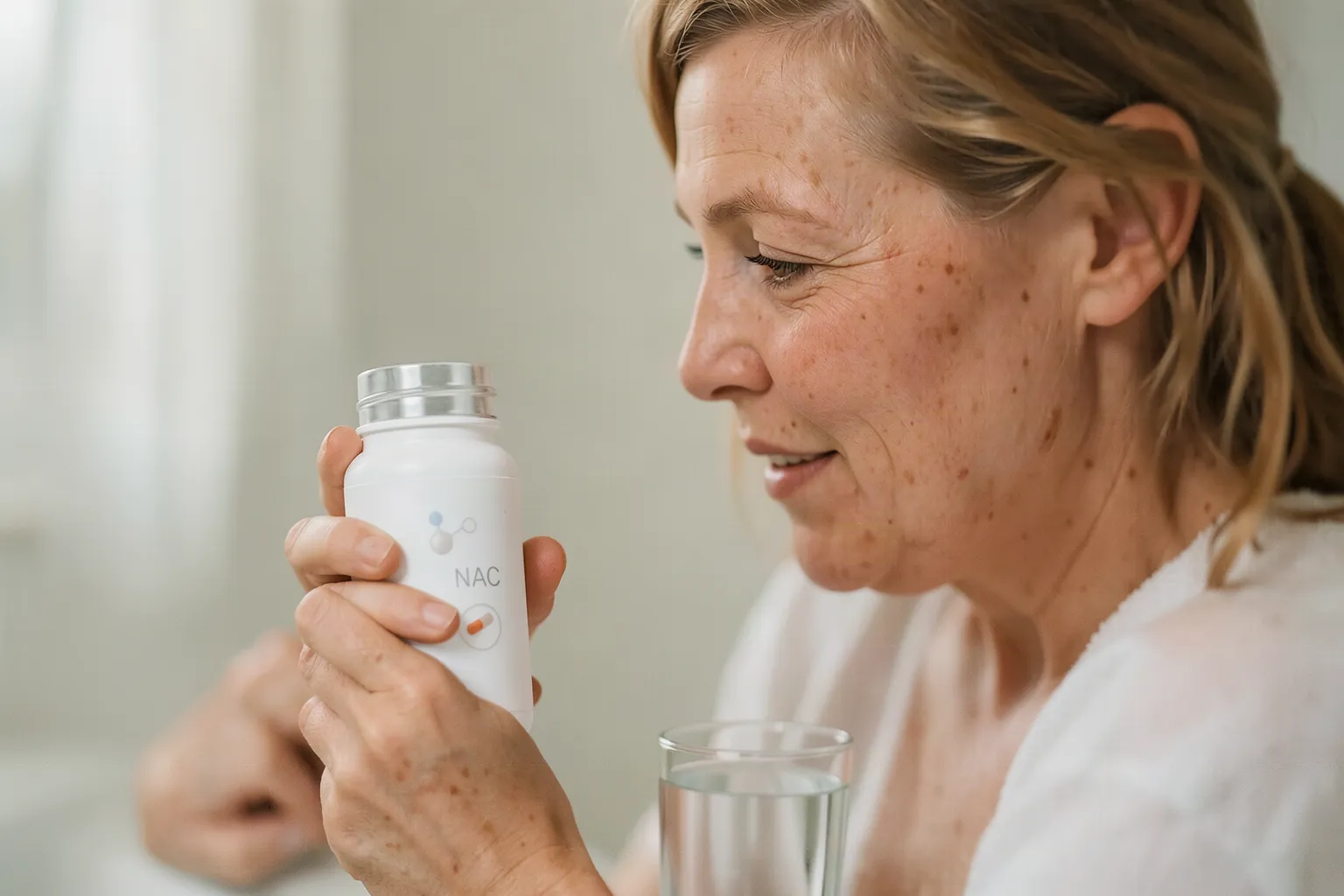
NAC is marketed for antioxidant and glutathione support, but its role in skin health is more limited and nuanced than many product claims suggest. This guide explains the evidence, risks, product types, marketing strategies, and decision points to consider before adding NAC to a skincare or supplement routine.
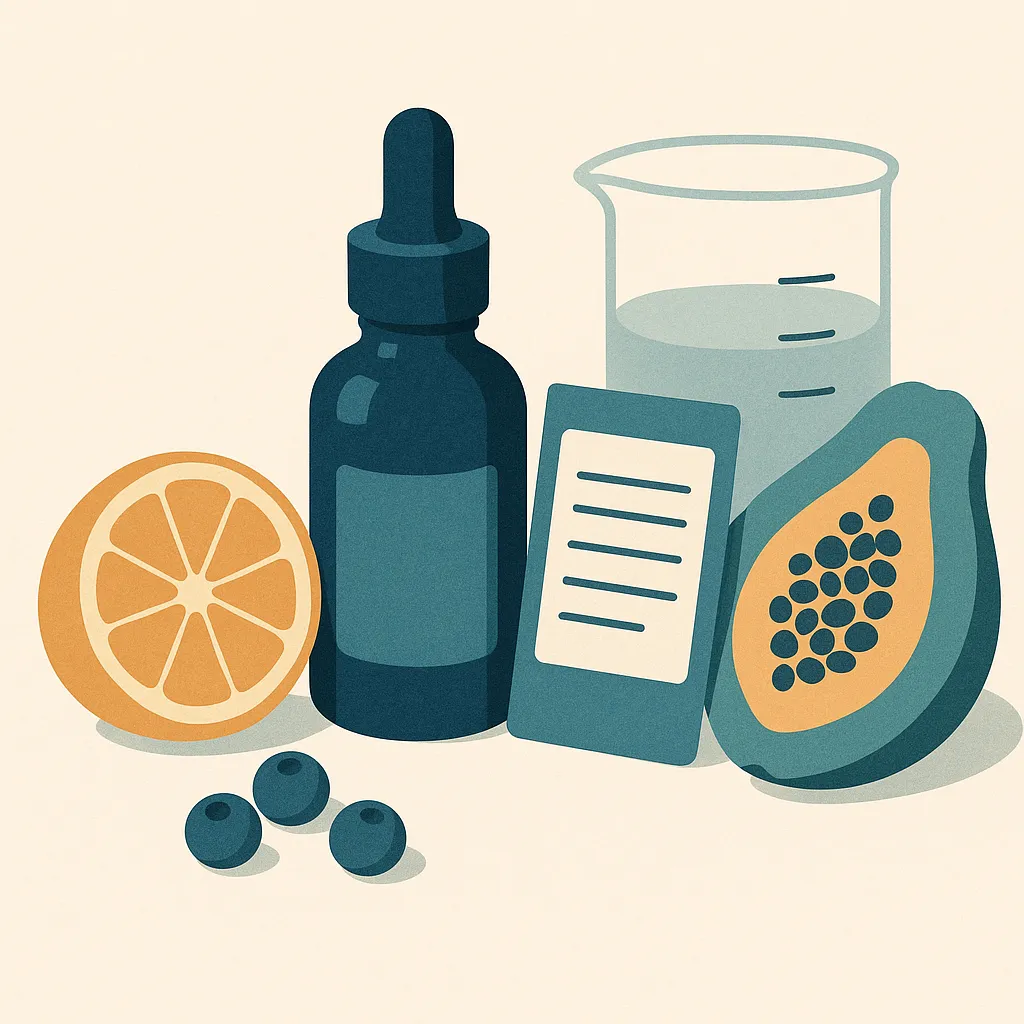
A calm guide to reading fruit-themed skincare labels, from fruit acids and enzymes to vitamin C, oils, butters, fragrance, and irritation risk.

Oral collagen has real trial evidence and real limitations. What the systematic reviews found, why digestion complicates the story, where the belief came from, and what to weigh before spending.
An evidence-led guide to skin-barrier disruption, common signs, and practical ways to support recovery without alarmist claims.

What hard water does to the skin barrier, why the association with eczema is well replicated, what happened when water softeners were tested in a randomised trial, and what is worth doing instead.
READ FIRST • DECIDE LATER
A thoughtful article should leave you with a clearer decision, not a longer shopping list.
Explore by topicUnderstand what might be happening under the surface.
Separate the research from the promise on the label.
FOUR STORIES TO CONSIDER
Four evidence-led reads from different parts of the library.
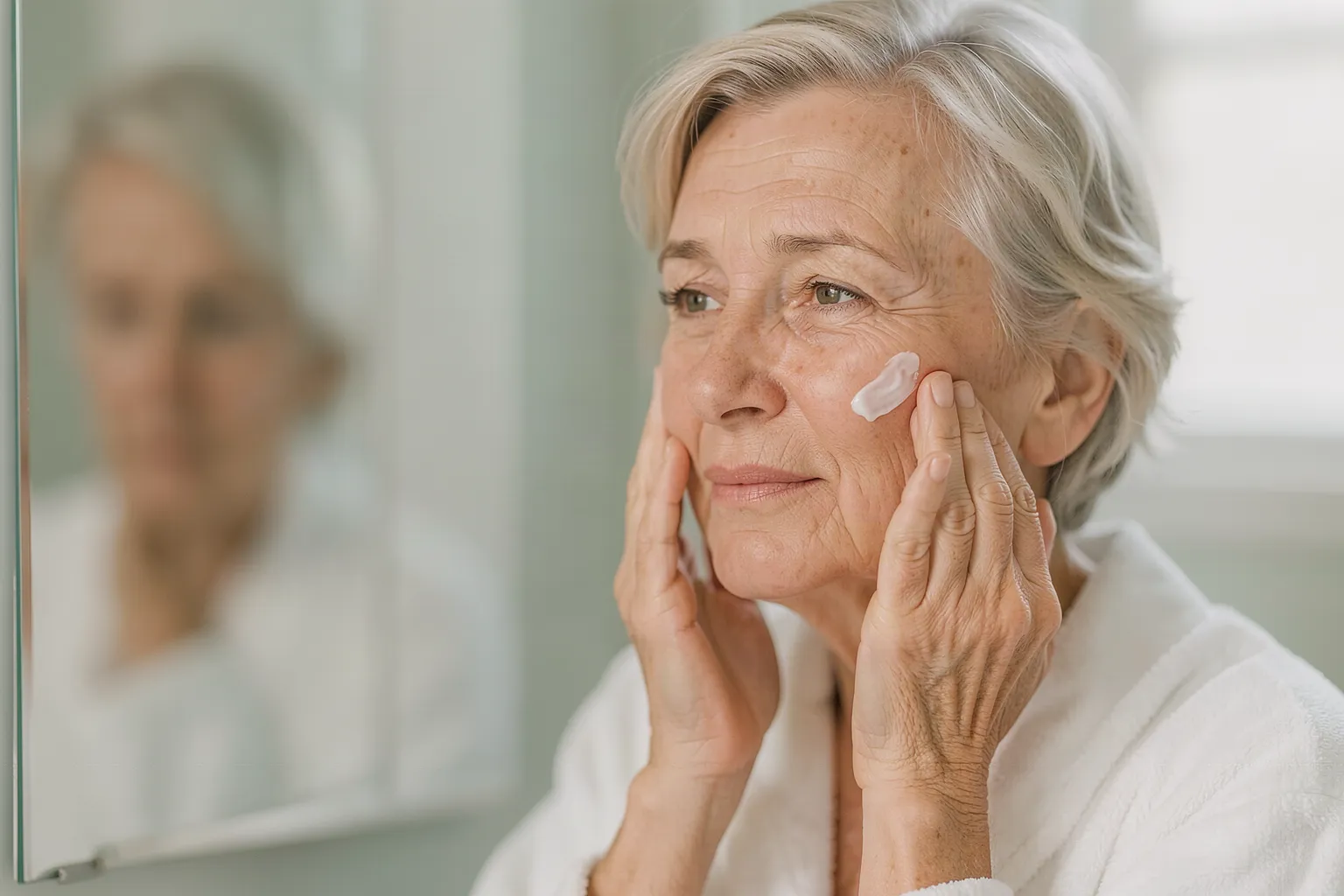
A dermatologist-informed skincare routine for people over 50, including gentle cleansing, moisturizer, sunscreen, retinoids, and signs that deserve medical attention.

What azelaic acid is, what the evidence supports it for, who it suits, how people get it wrong, and how it interacts with the rest of a routine.

Dark circles under the eyes usually come from three overlapping causes: pigment, blood vessels, and shadow. What each looks like, what the evidence supports, and when to see a clinician.

A calm, evidence-led guide to judging skincare claims, clinical language, testimonials, and before-and-after photos without assuming every product is either proof or hype.
Newsletter
Short emails with plain-language skin education, product-claim context, and the occasional downloadable checklist. No routine shaming, no endless launches.
Subscribe for calm guidance and useful PDFs. Unsubscribe whenever the inbox feels too full.